
Description
Product Name: Naga Brains Red Chilli Seeds
Cultivar Name: Naga Brains Red
Species: Capsicum chinense
Common Names: Red Naga Brain
Type: Hybrid
Origin & Lineage
Geographic Origin: Naga Brains Red was developed through selective breeding in the United States and the United Kingdom, though its ancestral roots trace back to the Indian subcontinent. The cultivar is a stabilized hybrid of two legendary superhot varieties: the Dorset Naga and the 7 Pot Brain Strain. These parent lines originate from Bangladesh and Trinidad respectively, regions renowned for cultivating some of the world’s hottest peppers.
Cultural Significance: Although Naga Brains Red is a relatively recent cultivar, its parentage carries significant cultural weight. The Dorset Naga, derived from the Naga Morich, has long been used in Bangladeshi cuisine, particularly in pickles and curries. The 7 Pot Brain Strain, on the other hand, is celebrated in Caribbean cooking, often incorporated into fiery sauces and marinades. While Naga Brains Red itself has not been documented in ritual use or folklore, its extreme heat and distinctive appearance have earned it a cult following among chili enthusiasts and competitive eaters.
Lineage / Hybridizer History: The cultivar was first stabilized by American grower Gary Montcalm, who crossed the Dorset Naga with the 7 Pot Brain Strain to create a pepper with both brutal heat and a unique, wrinkled morphology. Now in its F6 generation, Naga Brains Red is considered semi-stable, with most plants reliably producing pods that match the expected phenotype. The hybridization aimed to combine the floral sweetness of the Dorset Naga with the blistering intensity and gnarly texture of the Brain Strain.
Heat Profile
Scoville Rating (SHU): Approximately 900,000–1,000,000 SHU
Perceived Heat: Superhot
Heat Characteristics: The heat delivered by Naga Brains Red is immediate and unforgiving. It begins with a sharp sting on the tongue and quickly spreads across the palate, throat, and even into the sinuses. The burn intensifies over several minutes and can last for up to an hour, depending on individual tolerance. Despite its ferocity, the heat is clean and does not carry the acrid bitterness found in some superhot cultivars. It has been described as “punishing but pure,” making it ideal for sauces that require intensity without compromising flavor.
Flavor Profile
Tasting Notes: Beneath its fiery exterior, Naga Brains Red offers a surprisingly sweet and floral flavor. The initial taste is reminiscent of tropical fruit, with subtle hints of guava and citrus. This sweetness is quickly overtaken by the heat, but it remains detectable in well-balanced preparations.
Aftertaste / Finish: The finish is long and complex, with lingering floral notes and a faint smokiness. As the heat subsides, a mild bitterness may emerge, especially when the pods are overripe or improperly stored.
Ideal Pairings:
- Indian chutneys and pickles
- Caribbean jerk marinades
- Fermented hot sauces
- Fruit-based salsas (e.g., mango or pineapple)
- Infused oils for grilling and roasting
Fruit Characteristics
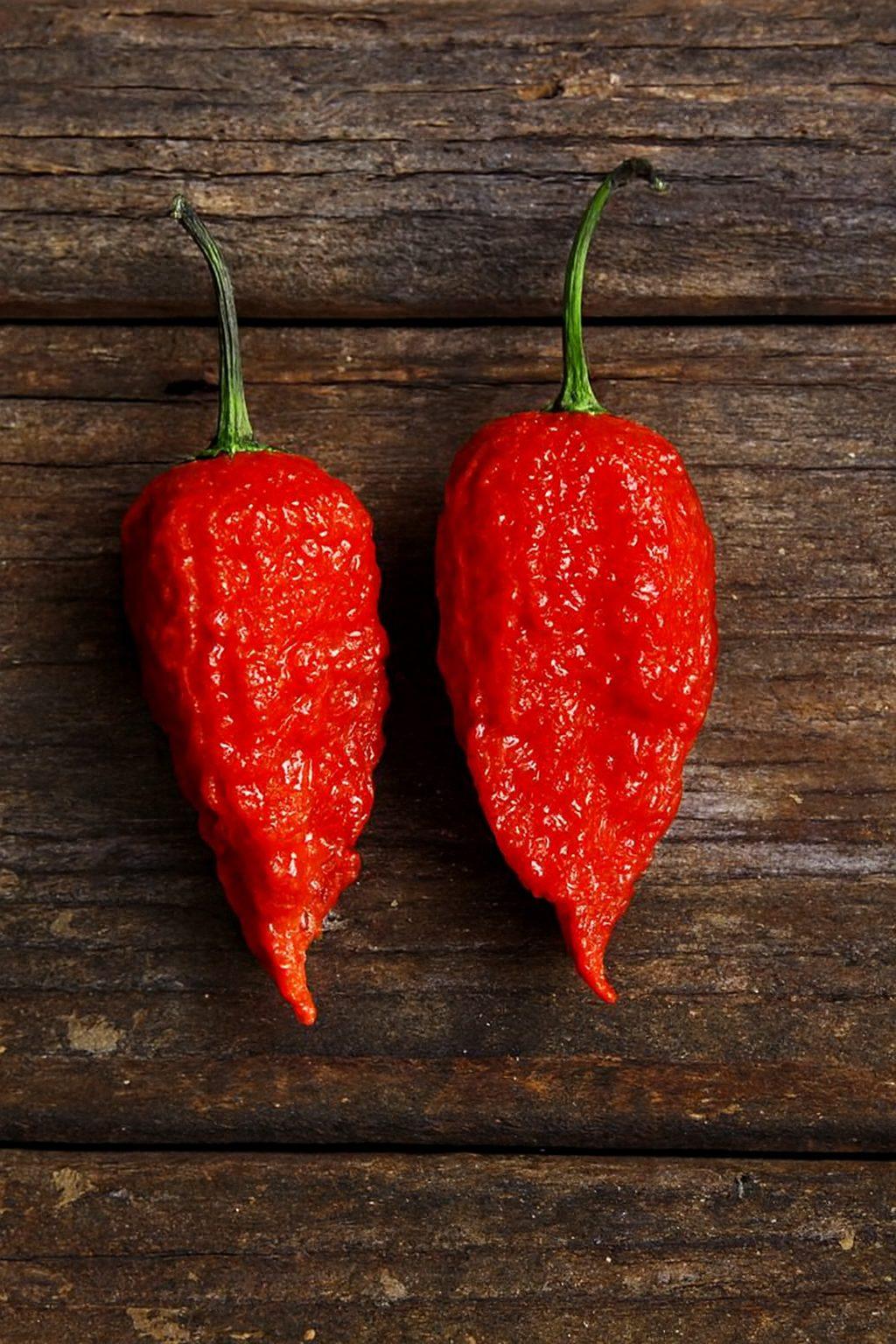
Shape: Wrinkled and lobed with a brain-like appearance
Size: Approximately 4 cm long, 3 cm diameter
Color Stages:
- Immature: green
- Ripe: vibrant red
Wall Thickness: Medium
Texture & Skin: Deeply wrinkled and blistered; pods often appear gnarled and contorted, contributing to their “brain” moniker.
Plant Details
Growth Habit: Bushy
Plant Height & Width: 70–100 cm tall, 50–70 cm wide
Foliage: Dark green, slightly pubescent
Flower Color: White
Days to Maturity: 100–120 days from germination
Yield: Moderate – approximately 40–60 pods per plant under optimal conditions.
Cultivation Information
Seed Count per Pack: 5 or 10 seeds (Presoaking Chilli Seeds)
Germination Time: 14–21 days (Germinating Chilli Seeds)
Optimal Germination Temp: 25–30°C (Essential guide to ideal temperatures and humidity for chilli seed germination)
Light Requirements: Filtered sun
Soil Preferences:
- pH range: 6.0–6.8
- Well-draining loamy soil enriched with compost or worm castings
- High organic matter content (Easy DIY soil mixes)
Storage Tips: Store seeds in airtight containers in a cool, dry place. Refrigeration is recommended for long-term viability. Avoid exposure to moisture and direct sunlight.
Notable Compounds
Capsaicinoid Content: Naga Brains Red contains high levels of capsaicin and dihydrocapsaicin, the primary compounds responsible for its extreme pungency. These compounds are known to activate pain receptors and stimulate endorphin release, contributing to the “chili high” experienced by some consumers.
Volatile Flavor Compounds: While specific studies on this cultivar are limited, Capsicum chinense varieties typically contain limonene, vanillin, and other esters that contribute to their fruity aroma. These compounds are most pronounced when the pods are fresh and diminish with drying.
Anthocyanins / Pigments: Although Naga Brains Red does not exhibit purple coloration, its parent strains may carry anthocyanin genes. Under stress conditions, slight purpling may appear on stems or calyxes, though this is not a consistent trait.
Culinary & Cultural Use
Traditional Uses:
- Used sparingly in Indian cuisine for chutneys and curries
- Incorporated into Caribbean-style pepper sauces
- Employed in extreme heat challenges and chili-eating contests
Raw vs Cooked Flavor: Raw pods deliver a sharp, fruity heat with floral overtones. Cooking—especially roasting or grilling—enhances the sweetness and reduces the sharpness of the burn. Pickling preserves the fruit’s color and adds tangy complexity.
Regional Dishes: While not yet featured in named traditional dishes, Naga Brains Red has been adopted by artisan sauce makers for use in:
- Trinidad-style pepper sauces
- Indian-style ghost chutneys
- Fusion dishes requiring intense heat
Storage / Drying / Preserving Tips:
- Air-drying in shaded, ventilated areas preserves flavor and color
- Dehydrators may be used at low temperatures to retain volatile compounds
- Fermentation with salt brine enhances complexity and shelf life
- Freezing whole pods is possible but may affect texture upon thawing


Reviews
There are no reviews yet.