
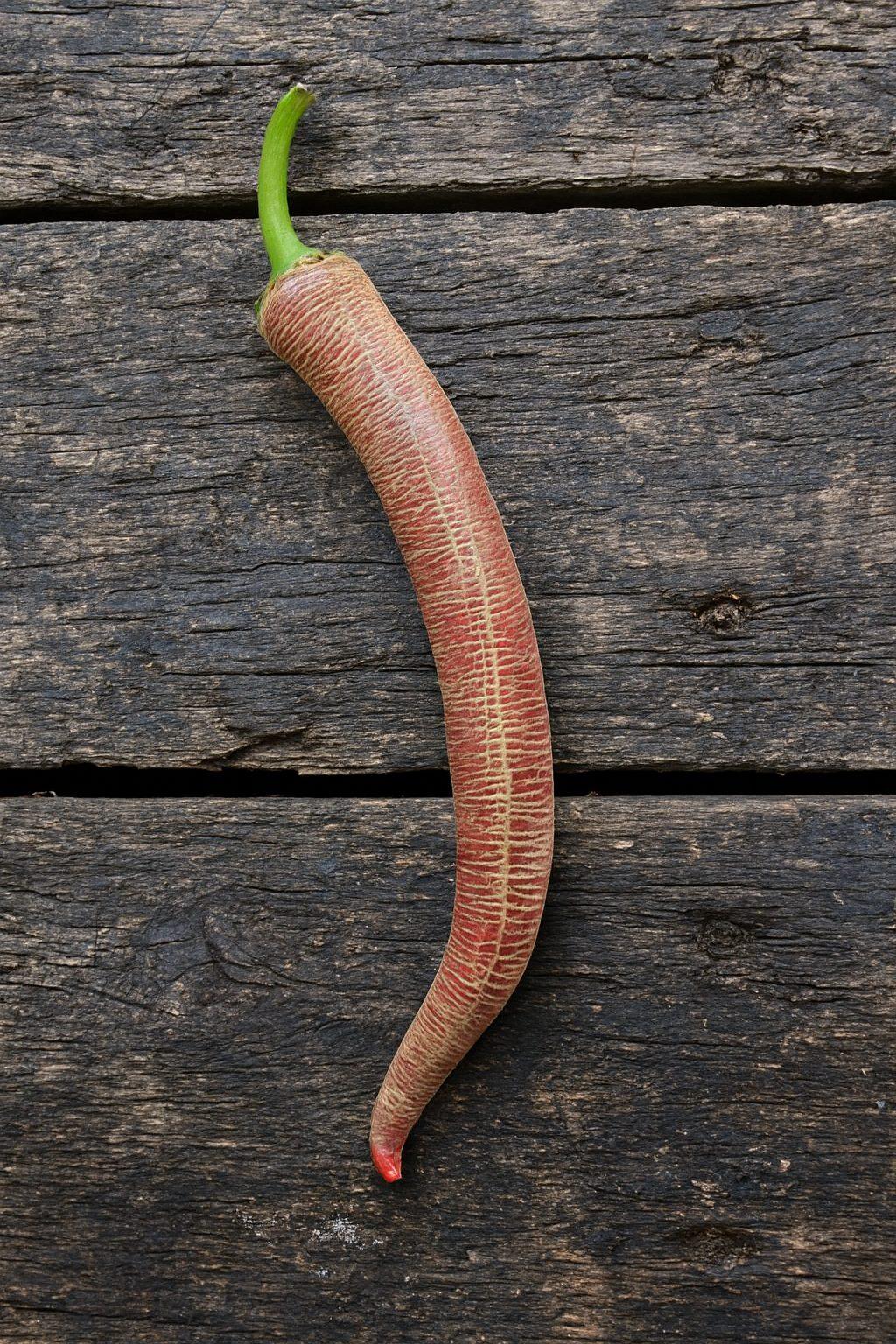
Description
Product Name: Elefant Pepper Seeds
Cultivar Name: Elefant
Species: Capsicum annuum
Common Names: Elephant Pepper, Elephant’s Ear Pepper, Slonovo Uvo (Serbian)
Type: Heirloom
Origin & Lineage
Geographic Origin: The Elefant pepper, also known as Slonovo Uvo, originates from the Balkan Peninsula, with strong cultivation ties to Serbia and Croatia. It is widely grown in home gardens across the region and has been preserved through generations of open-pollinated seed saving. This heirloom variety is particularly associated with traditional Balkan cuisine and is prized for its large, sweet, and fleshy pods.
Cultural Significance: In Serbia and Croatia, the Elefant pepper plays a central role in the preparation of ajvar—a roasted red pepper relish that is deeply embedded in regional culinary traditions. Ajvar is often made in large batches during harvest season and preserved for winter use, symbolizing both abundance and communal labor. The pepper’s name, derived from its broad, flattened shape resembling an elephant’s ear, has become a cultural marker in local agriculture. While not used in ritual contexts, its culinary importance is undeniable, and its cultivation is often passed down through family lines.
Lineage / Hybridizer History: The Elefant pepper is an open-pollinated heirloom with no known hybridization. Its lineage traces back to traditional Balkan landraces selected for size, sweetness, and thick walls. Over decades, growers have stabilized the variety to produce consistently large, flat fruits ideal for roasting and stuffing. No formal breeder is credited, as its development occurred through generational selection rather than commercial hybridization.
Heat Profile
Scoville Rating (SHU): 0 SHU
Perceived Heat: Sweet (0 to 50 SHU)
Heat Characteristics: The Elefant pepper is entirely non-pungent, making it suitable for all palates. Its lack of capsaicinoid content places it in the same category as bell peppers. This absence of heat allows its natural sweetness and fruitiness to shine, especially when roasted or grilled. Because it does not produce a burn, it is often used in dishes where pepper flavor is desired without spiciness.
Flavor Profile
Tasting Notes: The Elefant pepper offers a rich, sweet flavor with subtle fruity undertones. When fully ripe, its taste deepens, revealing hints of apple and cane sugar. The thick walls contribute to a satisfying chewiness, making it ideal for fresh consumption and cooked applications alike.
Aftertaste / Finish: The finish is clean and slightly floral, with no lingering bitterness. Roasting enhances its natural sugars, resulting in a caramelized depth that pairs well with savory ingredients.
Ideal Pairings:
- Roasted and blended into ajvar
- Stuffed with rice, meat, or cheese
- Grilled alongside lamb or pork
- Sliced fresh into salads with feta and olives
- Pickled for use in antipasti platters
Fruit Characteristics
Shape: Broad, flat, and slightly curved—resembling an elephant’s ear
Size: 15–30 cm long, 10–20 cm wide
Color Stages: Immature: green → Ripe: deep red
Wall Thickness: Thick
Texture & Skin: Smooth with occasional corking; meaty and robust.
Plant Details
Growth Habit: Bushy
Plant Height & Width: 90–110 cm tall × 60–80 cm wide
Foliage: Dark green, slightly pubescent
Flower Color: White
Days to Maturity: 70–85 days from transplanting
Yield: High – 20 to 30 large pods per plant under optimal conditions.
Cultivation Information
Seed Count per Pack: 5 or 10 seeds (Presoaking Chilli Seeds)
Germination Time: 7–14 days (Germinating Chilli Seeds)
Optimal Germination Temp: 25–30°C (Essential guide to ideal temperatures and humidity for chilli seed germination)
Light Requirements: Filtered sun
Soil Preferences:
- pH: 6.0–6.8
- Well-drained loamy soil enriched with compost
- Mulch recommended for moisture retention (Easy DIY soil mixes)
Storage Tips:
Store seeds in airtight containers at 4–8°C. Avoid exposure to humidity and light. Silica gel packets may be used to extend viability.
Notable Compounds
Capsaicinoid Content:
None detected. The Elefant pepper is a sweet variety with zero capsaicin or dihydrocapsaicin.
Volatile Flavor Compounds:
- Limonene (citrus brightness)
- Hexanal (green, grassy aroma)
- Vanillin (sweet undertone)
These compounds contribute to the pepper’s aromatic profile, especially when roasted.
Anthocyanins / Pigments: No purple pigmentation is typically observed. The mature fruit is uniformly red, with green coloration during immature stages.
Culinary & Cultural Use
Traditional Uses:
- Ajvar (roasted pepper relish)
- Roasted and preserved in oil
- Stuffed and baked in Balkan-style dolmas
- Fresh salads with cucumber and onion
- Pickled for winter storage
Raw vs Cooked Flavor: Raw Elefant peppers are crisp and mildly sweet. Cooking—especially roasting or grilling—intensifies their sweetness and adds a smoky depth. The thick walls hold up well to heat, making them ideal for stuffing or baking.
Regional Dishes:
- Serbian Ajvar: Roasted Elefant peppers blended with garlic and oil
- Croatian Punjena Paprika: Stuffed peppers with rice and minced meat
- Balkan-style Roasted Peppers: Served with vinegar and garlic
- Macedonian Pindjur: A chunky relish made with roasted peppers and eggplant
Storage / Drying / Preserving Tips:
- Roast whole peppers until skins blister, then peel and preserve in olive oil
- Slice and dehydrate at 45°C for 24–36 hours
- Freeze whole or sliced peppers in airtight containers
- Pickle in vinegar brine with garlic and herbs for long-term storage
- Blend roasted peppers into sauces and freeze in portions


Reviews
There are no reviews yet.