
Description
Pequin
Product Name: Pequin
Pequin is a revered heirloom chilli cultivar belonging to the Capsicum annuum species, known for its compact size, fiery heat, and complex flavor profile. Often referred to as the “mother of all peppers,” Pequin is considered a genetic ancestor to many modern cultivars, including jalapeño, poblano, and bell peppers. Despite its diminutive stature, this pepper delivers a bold punch of heat and a smoky, citrusy depth that has made it indispensable in Mexican and Southwestern cuisine. Its ornamental appeal, adaptability to container gardening, and historical significance further elevate its status among chilli enthusiasts and culinary professionals.
Cultivar Name: Pequin
Species: Capsicum annuum var. glabriusculum
Common Names: Chile Pequin, Piquín, Bird Pepper, Chiltepe, Chilpaya, Chile de Monte
Type: Heirloom
Origin & Lineage
Geographic Origin:
Pequin peppers are native to Mexico, particularly the state of Tabasco, and are also found growing wild in the southern United States, Central America, and parts of South America. They thrive in semi-shaded understory environments and are often distributed by birds, which consume the fruit and disperse the seeds. This natural propagation has contributed to their widespread presence across diverse ecosystems, from deciduous forests to rocky scrublands.
Cultural Significance:
Pequin has been cultivated and consumed since pre-Columbian times. The Aztecs and Mayans used it in tamales, sauces, and medicinal preparations. In indigenous communities, Pequin was believed to possess protective and purifying properties, often incorporated into ritual meals and healing remedies. Today, it remains a staple in traditional Mexican dishes, including escabeche, pozole, and regional salsas. Its inclusion in Cholula hot sauce—a globally recognized condiment—underscores its cultural and culinary importance.
Lineage / Hybridizer History:
Unlike modern hybrids, Pequin is a wild-type heirloom with no known hybridizer. It is classified within the glabriusculum variety of Capsicum annuum, which represents the ancestral form of the species. Its genetic stability and resistance to cross-pollination have preserved its traits over centuries. While cultivars like NuMex Bailey Piquin have been developed for commercial consistency, the original Pequin remains largely unchanged, retaining its wild vigor and distinctive flavor.
Heat Profile
Scoville Rating (SHU): 30,000–60,000 SHU
Perceived Heat: Very Hot (50,000 to 150,000 SHU)
Heat Characteristics:
Pequin delivers a sharp, immediate burn that targets the front of the tongue and dissipates quickly. The heat is clean and direct, often described as a “flash burn” rather than a lingering smoulder. This makes it ideal for dishes requiring a quick burst of spice without overwhelming the palate. When dried, the heat intensifies slightly and gains a smoky edge, enhancing its versatility in spice blends and sauces.
Flavor Profile
Tasting Notes:
Pequin peppers offer a layered flavor profile that includes smoky undertones, nutty depth, and bright citrus notes. Fresh pods exhibit a crisp, peppery bite with hints of green apple and toasted almond. As they ripen and dry, the flavor evolves into a richer, sun-dried tomato and apricot blend.
Aftertaste / Finish:
The finish is clean and slightly bitter, with residual citrus oils and a faint smokiness. Dried pods leave a toasted, earthy aftertaste that complements grilled meats and roasted vegetables.
Ideal Pairings:
- Tomato-based salsas and sauces
- Pickled vegetables and escabeche
- Grilled meats, especially pork and chicken
- Bean stews and pozole
- Citrus marinades and infused oils
Fruit Characteristics
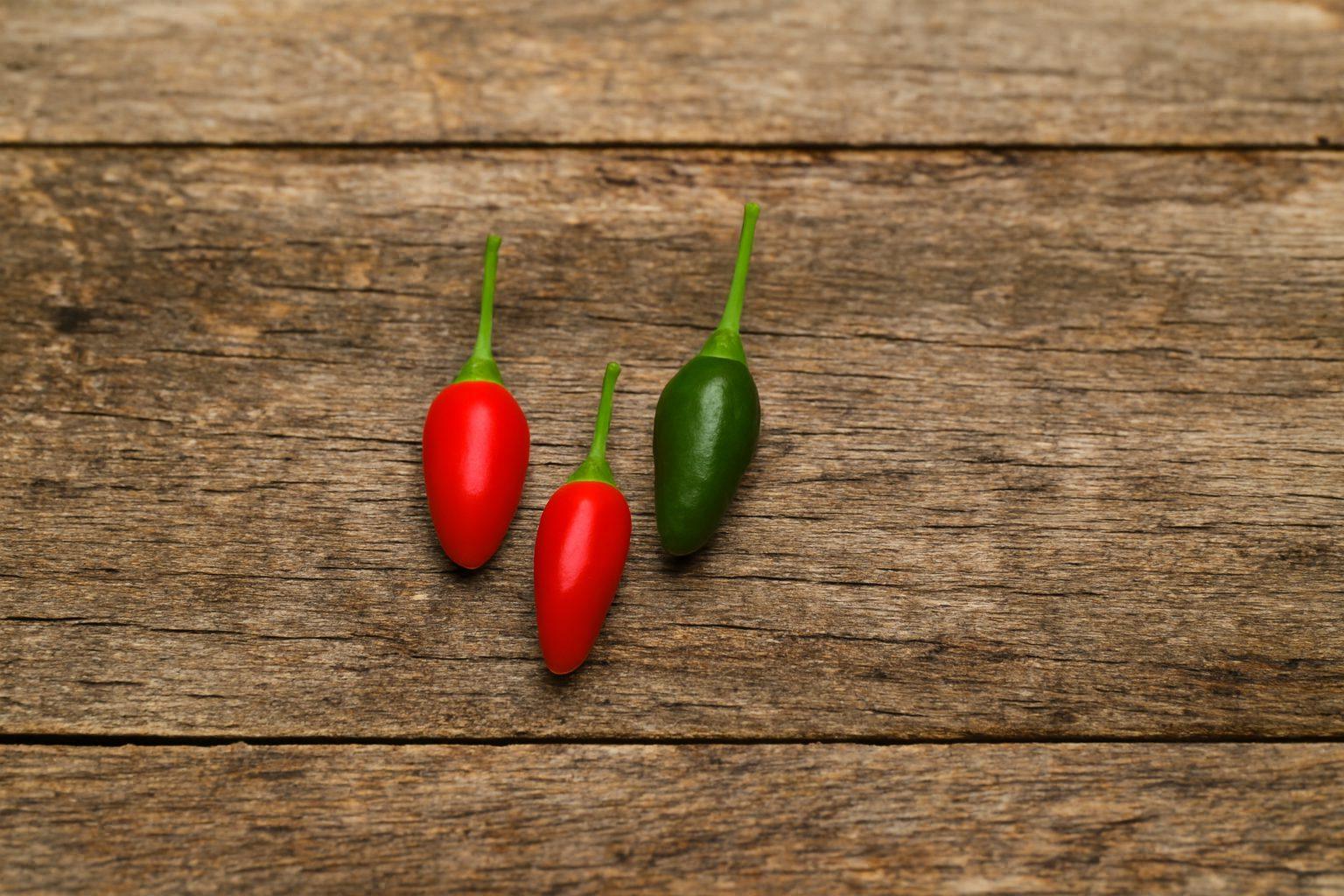
Shape: Oval to oblong, slightly tapered
Size: 1.5–2 cm long, 0.5–1 cm diameter
Color Stages:
- Immature: green
- Ripe: bright red
Wall Thickness: Medium
Texture & Skin: Smooth to lightly wrinkled; firm and glossy
Plant Details
Growth Habit: Compact
Plant Height & Width: 30–60 cm tall, 25–40 cm wide
Foliage: Dark green, ovate, slightly pubescent
Flower Color: White
Days to Maturity: 90–120 days from germination
Yield: Moderate – typically 50–80 pods per plant under optimal conditions
Cultivation Information
Seed Count per Pack: 5 or 10 seeds (Presoaking Chilli Seeds)
Germination Time: 7–14 days (Germinating Chilli Seeds)
Optimal Germination Temp: 25–30°C (Essential guide to ideal temperatures and humidity for chilli seed germination)
Light Requirements: Filtered sun
Soil Preferences:
- pH: 6.2–6.8
- Well-drained loamy soil
- High organic matter content (Easy DIY soil mixes)
Storage Tips:
Store seeds in airtight containers in a cool, dry place. Refrigeration at 4–8°C is recommended. Avoid humidity and direct sunlight to preserve viability.
Notable Compounds
Capsaicinoid Content:
- Capsaicin
- Dihydrocapsaicin
These compounds contribute to Pequin’s pungency and potential health benefits, including anti-inflammatory and metabolic effects.
Volatile Flavor Compounds:
- Limonene (citrus aroma)
- Geraniol (floral notes)
- Trace vanillin (sweetness in dried pods)
Anthocyanins / Pigments:
Pequin does not exhibit purple pigmentation. Its bright red hue is attributed to carotenoids such as capsanthin and beta-carotene, which remain stable during drying and cooking.
Culinary & Cultural Use
Traditional Uses:
Pequin is widely used in Mexican cuisine for salsas, escabeche, and hot sauces. It is often dried and ground into flakes or powder for seasoning. Indigenous communities used it in tamales, broths, and medicinal infusions.
Raw vs Cooked Flavor:
Raw pods deliver a sharp, peppery bite with immediate heat. Cooking softens the bitterness and enhances the smoky and nutty notes. Pickling adds tang and preserves the pepper’s vibrant color and heat.
Regional Dishes:
- Salsa de chile piquín
- Escabeche with carrots and onions
- Pozole rojo
- Cholula-style hot sauce
- Jicama and mango slaw with pequin infusion
Storage / Drying / Preserving Tips:
- Air-dry in shaded, ventilated areas
- Use dehydrators at 45–50°C for consistent drying
- Store dried pods in glass jars with desiccant packs
- Pickle in vinegar with garlic and herbs for escabeche
- Freeze whole pods for up to 6 months


Reviews
There are no reviews yet.