
Description
Guinea Bissau Chilli
Product Name: Guinea Bissau
Cultivar Name: Guinea Bissau
Species: Capsicum frutescens
Common Names: West African Fire Pepper, Atlantic Coast Chilli
Type: Heirloom
Origin & Lineage
Geographic Origin:
The Guinea Bissau chilli is a rare heirloom landrace originating from the Atlantic coastal villages of Guinea-Bissau, West Africa. This cultivar has been shaped by centuries of small-scale farming along the maritime edge of the region, where salt-laden winds and tropical humidity have influenced its resilience and productivity. It thrives in coastal microclimates and is particularly adapted to sandy, well-drained soils.
Cultural Significance:
In Guinea-Bissau, chilli peppers are deeply embedded in culinary and cultural traditions. The Guinea Bissau chilli is used extensively in local stews, seafood broths, and pepper sauces, often forming the backbone of celebratory meals and communal feasts. Its presence in traditional dishes such as arroz de marisco (seafood rice) and caldo de peixe (fish broth) reflects its integration into Portuguese-influenced cuisine. Ritual use is less documented, but the pepper’s role in seasonal harvest festivals and its symbolic association with vitality and heat suggest a folkloric reverence. Wild birds are known to consume and disperse its seeds, a trait that has earned it ecological significance in local lore.
Lineage / Hybridizer History:
This cultivar is not the product of formal hybridization but rather a naturally stabilized landrace. It shares genetic lineage with other frutescens varieties such as African Bird’s Eye and Piri Piri. Over generations, local farmers have selected for traits such as upright fruiting, salt tolerance, and intense aroma. No single breeder is credited; instead, the Guinea Bissau chilli represents a collective legacy of indigenous stewardship. Its semi-wild nature and ecological robustness have made it a resilient cultivar, now propagated by specialty growers in South Africa and abroad.
Heat Profile
Scoville Rating (SHU):
Estimated between 50,000–175,000 SHU
Perceived Heat:
Very Hot (50,000 to 150,000 SHU)
Heat Characteristics:
The heat of the Guinea Bissau chilli is immediate and penetrating, with a sharp burn that concentrates on the tongue and lips. It has been described as “piercing” and “clean,” lacking the smoky undertones of chinense varieties but delivering a vibrant intensity. The heat is consistent across pods, though slightly milder in immature green fruit. When dried, the heat becomes more concentrated and can rival that of Piri Piri, its close relative.
Flavor Profile
Tasting Notes:
Bright and vegetal with a citrusy edge, the Guinea Bissau chilli offers a fresh, aromatic flavor that complements its heat. The initial taste is crisp, followed by subtle herbal notes and a hint of bitterness.
Aftertaste / Finish:
The finish is clean and lingering, with a faint sweetness that emerges after the heat subsides. When roasted or grilled, the flavor deepens, revealing earthy undertones and a mild smokiness.
Ideal Pairings:
- Seafood stews and broths
- Tomato-based sauces and relishes
- Pickled vegetable medleys
- Fermented chilli pastes
- Infused oils and vinegars
Fruit Characteristics
Shape:
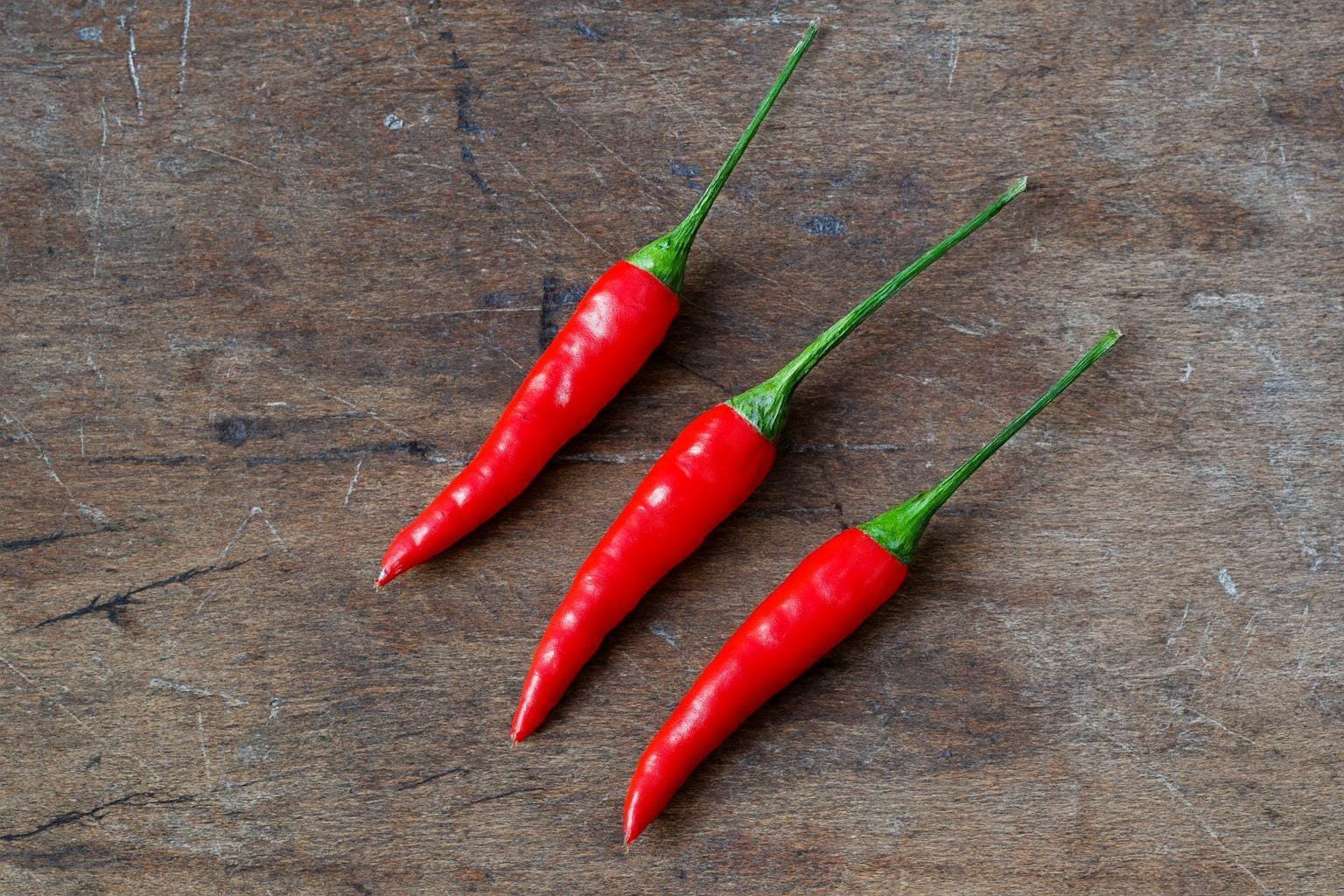
Slender, upright, tapered pods
Size:
2–3 cm long, 0.8–1.2 cm diameter
Color Stages:
Immature: deep green → Ripe: glossy red
Wall Thickness:
Thin
Texture & Skin:
Smooth with slight puckering near the calyx
Plant Details
Growth Habit:
Compact
Plant Height & Width:
Height: 60–90 cm
Width: 40–60 cm
Foliage:
Dark green, slightly pubescent
Flower Color:
White with purple accents
Days to Maturity:
100–120 days from transplant
Yield:
Moderate – typically 50–80 pods per plant
Cultivation Information
Seed Count per Pack:
5 or 10 seeds (Presoaking Chilli Seeds)
Germination Time:
7–14 days (Germinating Chilli Seeds)
Optimal Germination Temp:
25–30°C (Essential guide to ideal temperatures and humidity for chilli seed germination)
Light Requirements:
Filtered sun
Soil Preferences:
- pH: 6.0–6.8
- Sandy loam with high organic content
- Excellent drainage essential (Easy DIY soil mixes)
Storage Tips:
Store seeds in airtight containers in a cool, dry environment. Refrigeration is recommended for long-term viability. Avoid exposure to moisture and direct light.
Notable Compounds
Capsaicinoid Content:
High levels of capsaicin and dihydrocapsaicin, consistent with frutescens lineage
Volatile Flavor Compounds:
Limonene and green esters contribute to its fresh aroma; vanillin presence is unconfirmed
Anthocyanins / Pigments:
Minimal anthocyanin expression; pigmentation is primarily carotenoid-driven during ripening
Culinary & Cultural Use
Traditional Uses:
- Pepper sauces and relishes
- Seafood stews (caldo de peixe)
- Fermented chilli pastes
- Pickled condiments
- Infused oils for marinades
Raw vs Cooked Flavor:
Raw pods deliver a crisp, bright heat with citrus notes. Cooking—especially roasting or grilling—enhances sweetness and reduces sharpness. Pickling preserves both heat and texture, while fermentation adds depth and complexity.
Regional Dishes:
- Arroz de marisco (seafood rice)
- Caldo de peixe (fish broth)
- Molho de piri piri (hot sauce variant)
- Mandioca-based stews with chilli infusion
Storage / Drying / Preserving Tips:
- Air-drying is effective due to thin walls
- Oven drying below 50°C retains volatile compounds
- Pickling in vinegar with garlic and herbs preserves color and heat
- Fermentation in salt brine enhances aroma and flavor complexity
- Freezing is suitable for short-term use but may affect texture


Reviews
There are no reviews yet.