
Description
Afrikansk Pepper
Product Name: Afrikansk Pepper
- Cultivar Name: Afrikansk Pepper
- Species: Capsicum annuum
- Common Names: African Cayenne, African Red Pepper.
- Type: Heirloom
Origin & Lineage
Geographic Origin:
Afrikansk Pepper is a cultivar of Capsicum annuum that has been widely cultivated across West, Central, and Southern Africa. Though its genetic origins trace back to Mesoamerican domestication, this variety has been regionally adapted over centuries. It thrives in warm, semi-arid climates and is particularly prominent in Nigeria, Ghana, Cameroon, and South Africa.
Cultural Significance:
Afrikansk Pepper is deeply embedded in African culinary heritage. In Nigeria, it is known as “Tatashe” and is essential in dishes like jollof rice, pepper soup, and egusi stew. Its use extends beyond flavoring—many communities incorporate it into traditional medicine for its warming and circulatory properties. In South African township cuisine, it is often blended into sauces and relishes, adding both heat and color. Folklore surrounding the pepper includes beliefs in its protective qualities, with dried pods sometimes hung in homes to ward off bad spirits.
Lineage / Hybridizer History:
Afrikansk Pepper is not the result of modern hybridization but rather a landrace heirloom shaped by indigenous selection. It belongs to the annuum species group, which includes bell peppers, cayenne, and jalapeños. Its lineage is closely tied to early introductions of Capsicum annuum into Africa via Portuguese and Arab trade routes. Over generations, local farmers selected for heat, resilience, and flavor, resulting in a stable cultivar with regional variants.
Heat Profile
Scoville Rating (SHU):
Afrikansk Pepper typically ranges from 30,000 to 50,000 SHU.
Perceived Heat:
Hot (15,000 to 50,000 SHU)
Heat Characteristics:
The heat is immediate and sharp, with a clean burn that intensifies when dried. Unlike superhot varieties, Afrikansk Pepper delivers a manageable but assertive heat that enhances rather than dominates dishes. The burn is concentrated on the tongue and lips, with a short to medium duration.
Flavor Profile
Tasting Notes:
Afrikansk Pepper offers a bright, slightly fruity flavor with subtle earthy undertones. Fresh pods have a crisp bite and a tangy aroma, while dried pods develop deeper, smoky notes.
Aftertaste / Finish:
The finish is warm and slightly bitter, with lingering heat that pairs well with acidic and savory ingredients.
Ideal Pairings:
- Tomato-based sauces and stews
- Grilled meats and fish
- Fermented chili pastes
- Bean dishes and leafy greens
Fruit Characteristics
Shape:
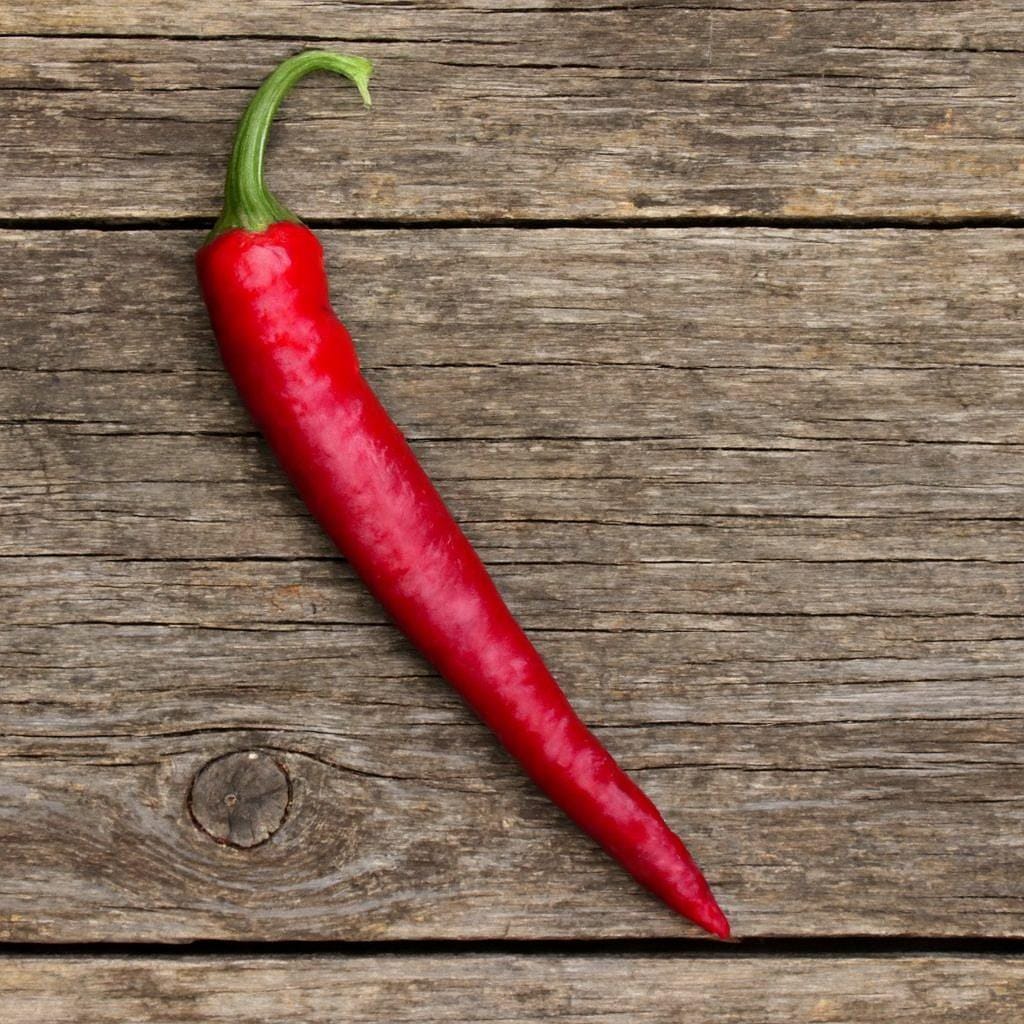
- Slender and elongated
- Slightly curved with a pointed tip
Size:
- 5–7 cm long
- 1–1.5 cm diameter
Color Stages:
- Immature: green
- Ripe: bright red
Wall Thickness:
- Thin
Texture & Skin:
- Smooth with occasional wrinkling
- Glossy when fresh, matte when dried
Plant Details
Growth Habit:
- Bushy
Plant Height & Width:
- Height: 60–90 cm
- Width: 40–60 cm
Foliage:
- Dark green
- Slightly pubescent
Flower Color:
- White
Days to Maturity:
- 85–100 days from germination to harvest
Yield:
- Moderate – typically 60–100 pods per plant under optimal conditions
Cultivation Information
Seed Count per Pack:
- 5 or 10 seeds (Presoaking Chilli Seeds)
Germination Time:
- 7–14 days (Germinating Chilli Seeds)
Optimal Germination Temp:
Light Requirements:
- Filtered sun
Soil Preferences:
- pH: 6.0–6.8
- Well-draining loamy soil with high organic matter (Easy DIY soil mixes)
Storage Tips:
- Store seeds in airtight containers in a cool, dry place
- Avoid exposure to moisture and direct sunlight
Notable Compounds
Capsaicinoid Content:
- Predominantly capsaicin and dihydrocapsaicin
- Responsible for pungency and medicinal properties
Volatile Flavor Compounds:
- Limonene (citrus aroma)
- Trace amounts of vanillin (sweet undertone when dried)
Anthocyanins / Pigments:
- No significant purple pigmentation
- Red coloration due to carotenoids such as capsanthin and capsorubin
Culinary & Cultural Use
Traditional Uses:
- Used in sauces, stews, and rubs
- Commonly dried and ground into spice blends
- Incorporated into fermented chili pastes
Raw vs Cooked Flavor:
- Raw: crisp, tangy, and pungent
- Cooked: develops smoky, earthy depth
- Pickled: retains heat with added acidity
Regional Dishes:
- Nigeria: Jollof rice, pepper soup, egusi stew
- Ghana: Shito (fermented pepper sauce)
- South Africa: Chakalaka, peri-peri sauces
Storage / Drying / Preserving Tips:
- Air-dry whole pods in shaded, ventilated areas
- Store dried pods in airtight containers
- For fermentation, submerge chopped peppers in brine with garlic and spices for 2–3 weeks



Reviews
There are no reviews yet.