
Description
Product Name: Fish Pepper
Cultivar Name: Fish Pepper
Species: Capsicum annuum
Common Names: Fish Pepper, Chesapeake Striped Pepper, Albino Cayenne
Type: Heirloom
Origin & Lineage
Geographic Origin:
The Fish Pepper is native to the Chesapeake Bay region, particularly Baltimore, Maryland, and Philadelphia, Pennsylvania, where it was cultivated by African American communities in the late 19th century. Its lineage likely traces back to Caribbean landraces, brought to the U.S. by Haitian immigrants and enslaved Africans.
Cultural Significance:
This pepper was a staple in Black-owned oyster and crab houses throughout the Mid-Atlantic, prized for its ability to spice cream-based seafood sauces without altering their color. Its white immature pods blended seamlessly into dishes like cream of crab soup, giving rise to its name: “Fish Pepper”.
Historical Preservation:
The cultivar nearly vanished in the early 20th century due to urbanization and loss of oral culinary traditions. It was saved from extinction by Horace Pippin, a celebrated African American folk painter from Pennsylvania. In the 1940s, Pippin bartered a handful of fish pepper seeds to beekeeper H. Ralph Weaver in exchange for bee sting therapy to treat his arthritis. The seeds remained in the Weaver family freezer for over 50 years until William Woys Weaver, Ralph’s grandson and a food historian, reintroduced them to the public via the Seed Savers Exchange in 1995.
Lineage / Breeder History
Parentage:
Unspecified Capsicum annuum landrace; possibly a hybrid of serrano and cayenne types
Hybridizer:
None; stabilized through traditional seed saving and heirloom preservation
Selected Traits:
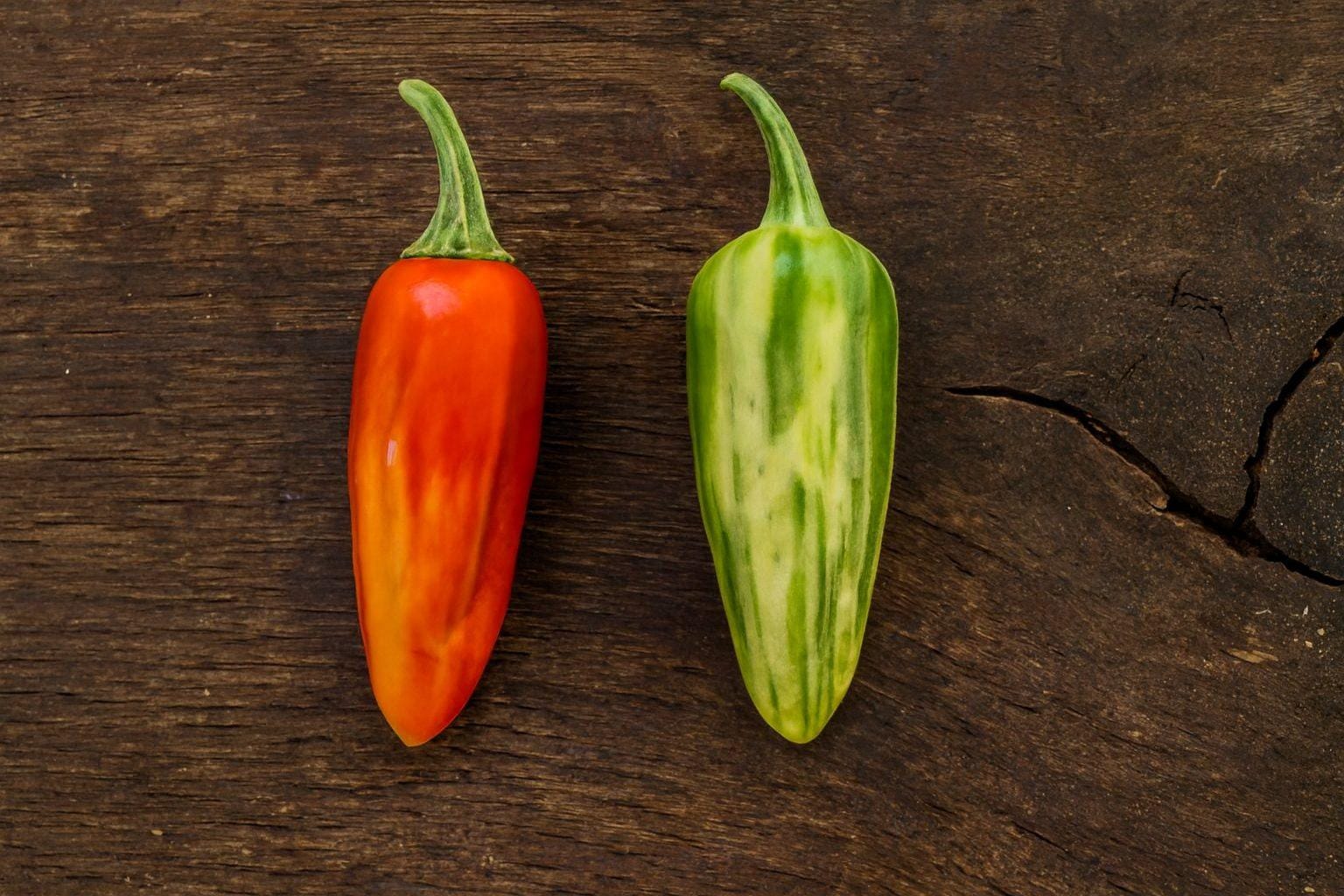
• Cone-shaped pods with variegated striping
• Ripening sequence: white → green → orange → red
• Variegated foliage with white, green, and speckled leaves
• Medium heat with citrus and earthy undertones
• High ornamental and culinary value
Stabilization Status:
Stable heirloom. Expresses consistently across generations. Minor variation in pod striping and foliage variegation may occur.
Heat Profile
Scoville Rating (SHU): 5,000–30,000 SHU
Perceived Heat: Medium-hot
Heat Characteristics:
Sharp, clean burn with a jalapeño-to-serrano level intensity. Heat builds quickly and fades smoothly. Immature white pods are milder; red ripe pods deliver full heat.
Flavor Profile
Tasting Notes:
• Bright and earthy with hints of citrus zest, green herbs, and smoke
• Mild bitterness when raw; mellowed sweetness when cooked
• Ideal for seafood, soups, and sauces
Aftertaste / Finish:
Dry, mineral-rich finish with lingering warmth
Ideal Pairings:
• Cream-based seafood sauces
• Pickled rings for sandwiches and charcuterie
• Fermented mash for hot sauces
• Dried flakes for seasoning blends
• Infused vinegars and oils
Fruit Characteristics
Shape:
Cone-shaped pods with curved tips
Size:
2–3 inches long; 0.75–1 inch wide
Color Stages:
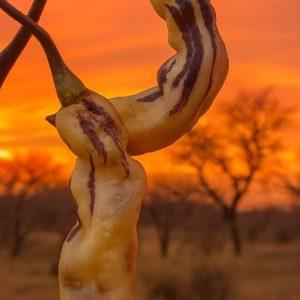
• Immature: White with green stripes
• Mid-stage: Orange with brown streaks
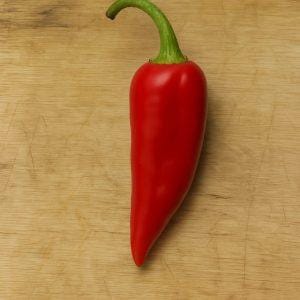
• Ripe: Solid red
Wall Thickness:
Medium
Texture & Skin:
Smooth to lightly wrinkled; glossy finish with crisp flesh. Ideal for pickling, drying, and fresh use.
Plant Details
Growth Habit:
Compact and bushy
Plant Height & Width:
Height: 60–75 cm
Width: 50–70 cm
Foliage:
Variegated leaves ranging from fully white to speckled green and cream
Flower Color:
White
Days to Maturity:
80–100 days from transplant
Yield:
Moderate to high — typically 60–100 pods per plant under optimal conditions
Fish Pepper plants are ideal for container gardening, raised beds, and ornamental borders. Their striking foliage and colorful fruit make them a favorite among heirloom collectors and edible landscapers.
Cultivation Information
Seed Count per Pack: 10 seeds
Germination Time: 10–20 days (Germinating Chilli Seeds)
Optimal Germination Temp: 26–30°C (Essential guide to ideal temperatures and humidity for chilli seed germination)
Light Requirements: Filtered sun
Soil Preferences:
• pH: 6.0–6.8
• Rich, well-draining loam or compost mix (Easy DIY soil mixes)
• Benefits from calcium and potassium supplementation
Watering:
Maintain consistent moisture. Avoid waterlogging. Mulch recommended.
Fertilization:
Apply balanced NPK fertilizer every 2–3 weeks. Supplement with magnesium and calcium during fruiting.
Support:
Staking optional; canopy remains compact
Pruning:
Pinch growing tips to encourage branching. Remove lower leaves to improve airflow.
Storage Tips:
Store seeds in a cool, dry place. Refrigeration at 4–8°C extends viability. Avoid humidity and light exposure.
Notable Compounds
Capsaicinoid Content:
Moderate — primarily capsaicin and dihydrocapsaicin
Volatile Flavor Compounds:
Limonene, pyrazines, and esters contribute to citrus and earthy aroma
Pigments:
Capsanthin (red), carotenoids (orange), anthocyanins (striping)
Nutritional Value:
High in vitamin C, antioxidants, and dietary fiber
Culinary & Cultural Use
Traditional Uses:
Used in Baltimore crab houses, Philadelphia oyster bars, and Chesapeake seafood kitchens. Immature white pods were prized for spicing white sauces without discoloration.
Raw vs Cooked Flavor:
Raw: Bright, bitter, and spicy
Cooked: Earthy, mellow, and aromatic
Regional Dishes:
• Cream of crab soup with white fish pepper infusion
• Pickled fish peppers for seafood platters
• Fermented pepper mash for Chesapeake-style hot sauce
• Dried flakes for seasoning grilled shellfish
• Fish pepper vinegar for collard greens and chowders
Storage / Drying / Preserving Tips:
• Medium walls dry well for powder or flakes
• Pickles well in vinegar or brine
• Can be frozen whole or sliced
• Suitable for oil infusions and fermented sauces


Reviews
There are no reviews yet.