
Description
Product Name: Bellingrath Gardens
Cultivar Name: Bellingrath Gardens
Species: Capsicum annuum
Common Names: Bellingrath Gardens Pepper, Bellingrath Ornamental
Type: Ornamental Hybrid
Origin & Lineage
Geographic Origin:
Named after the historic Bellingrath Gardens estate in Mobile, Alabama, USA, this cultivar was developed for ornamental display and culinary versatility. Though its exact breeding origin is undocumented, it is widely distributed through specialty seed vendors in Europe, North America, and South Africa.
Cultural Significance:
The cultivar pays homage to the botanical legacy of Bellingrath Gardens, known for its seasonal color displays and rare plant collections. Its vivid fruit transitions and compact growth habit make it ideal for container gardening, edible landscapes, and decorative borders.
Lineage / Hybridizer History
Parentage:
Hybridized from small-fruited Capsicum annuum lines with high anthocyanin expression. Specific parent lines are unrecorded.
Hybridizer:
Unknown
Selected Traits:
• Upright fruiting habit with clustered pods
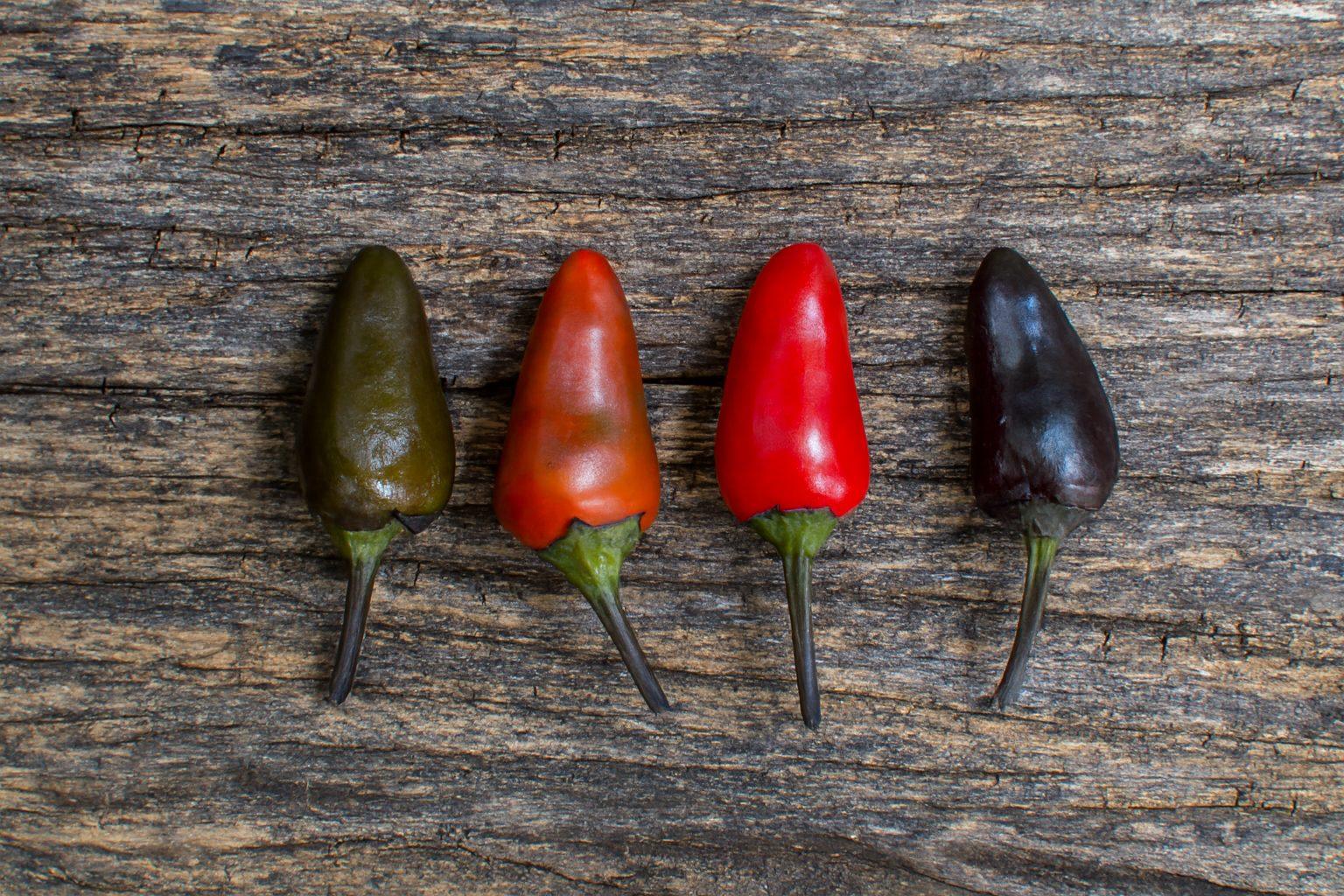
• Multistage color transition: purple-black → dark purple → ember red
• Compact, bushy growth with dark foliage
• High ornamental value and culinary heat
• Easy to grow and highly productive
Stabilization Status:
Semi-stable hybrid. Expresses consistent traits across generations, though minor variation in fruit size and pigmentation may occur.
Heat Profile
Scoville Rating (SHU): 30,000–50,000 SHU
Perceived Heat: Medium-hot
Heat Characteristics:
Sharp, clean burn with moderate persistence. Heat is concentrated in the placenta and inner walls. Comparable to Thai or ornamental cayenne types.
Flavor Profile
Tasting Notes:
Bright and slightly smoky with notes of green pepper, cranberry skin, and citrus pith. Flavor intensifies as pods ripen to red.
Aftertaste / Finish:
Clean finish with lingering warmth and subtle bitterness in underripe pods
Ideal Pairings:
• Pickled rings for sandwiches and charcuterie
• Infused vinegars and oils
• Finishing spice for grilled vegetables and meats
• Decorative garnishes with edible heat
Fruit Characteristics
Shape:
Small, upright, round to oval pods
Size:
1.5–2 cm long, 1 cm wide
Color Stages:
• Immature: Purple-black
• Mid-stage: Dark purple to orange
• Ripe: Ember red with purple-orange undertones
Wall Thickness:
Thin
Texture & Skin:
Glossy, smooth skin with firm flesh. Ideal for pickling, drying, and ornamental use.
Plant Details
Growth Habit:
Compact, bushy, and upright
Plant Height & Width:
Height: 45–60 cm
Width: 40–50 cm
Foliage:
Dark green to black-purple leaves with high anthocyanin content
Flower Color:
White with purple tips
Days to Maturity:
80–100 days from transplant
Yield:
High — typically 100–150 pods per plant under optimal conditions
Bellingrath Gardens is well-suited to container gardening, bonsai-style cultivation, and ornamental borders. Its compact form and vibrant fruit make it ideal for patios, balconies, and edible landscapes.
Cultivation Information
Seed Count per Pack: 10 seeds
Germination Time: 7–14 days (Germinating Chilli Seeds)
Optimal Germination Temp: 24–30°C (Essential guide to ideal temperatures and humidity for chilli seed germination)
Light Requirements: Filtered sun
Soil Preferences:
• pH: 6.0–6.8
• Rich, well-draining loam (Easy DIY soil mixes)
• Benefits from compost and potassium-rich feeding
Watering:
Maintain consistent moisture. Avoid waterlogging. Mulch to retain soil moisture and suppress weeds.
Fertilization:
Apply balanced NPK fertilizer every 3–4 weeks. Supplement with calcium and magnesium during fruiting.
Support:
Staking optional; canopy remains compact
Pruning:
Pinch growing tips to encourage branching. Remove lower leaves to improve airflow.
Storage Tips:
Store seeds in a cool, dry place. Refrigeration at 4–8°C extends viability. Avoid humidity and light exposure.
Notable Compounds
Capsaicinoid Content:
Moderate — primarily capsaicin and dihydrocapsaicin
Pigments:
Anthocyanins (purple-black), capsanthin (red), and beta-carotene (orange)
Volatile Flavor Compounds:
Limonene, pyrazines, and esters contribute to aroma
Nutritional Value:
High in vitamin C, antioxidants, and dietary fiber
Culinary & Cultural Use
Traditional Uses:
Primarily ornamental, but fully edible. Used in pickling, infused vinegars, and decorative culinary applications.
Raw vs Cooked Flavor:
Raw: Sharp, grassy, and slightly bitter
Cooked: Mellowed heat with intensified sweetness and color
Regional Dishes:
• Pickled pepper rings
• Infused chili oils and vinegars
• Decorative garnishes for tapas and charcuterie
• Dried flakes for seasoning blends
Storage / Drying / Preserving Tips:
• Thin walls dry quickly for powder or flakes
• Pickles well in vinegar or brine
• Can be frozen whole or sliced
• Suitable for oil infusions and fermented sauces



Reviews
There are no reviews yet.