
Description
Product Name: Black Naga
Cultivar Name: Black Naga
Species: Capsicum chinense
Common Names: Black Naga, Chocolate King Naga, Naga Morich Brown
Type: UnStable Hybrid
Origin & Lineage
Geographic Origin:
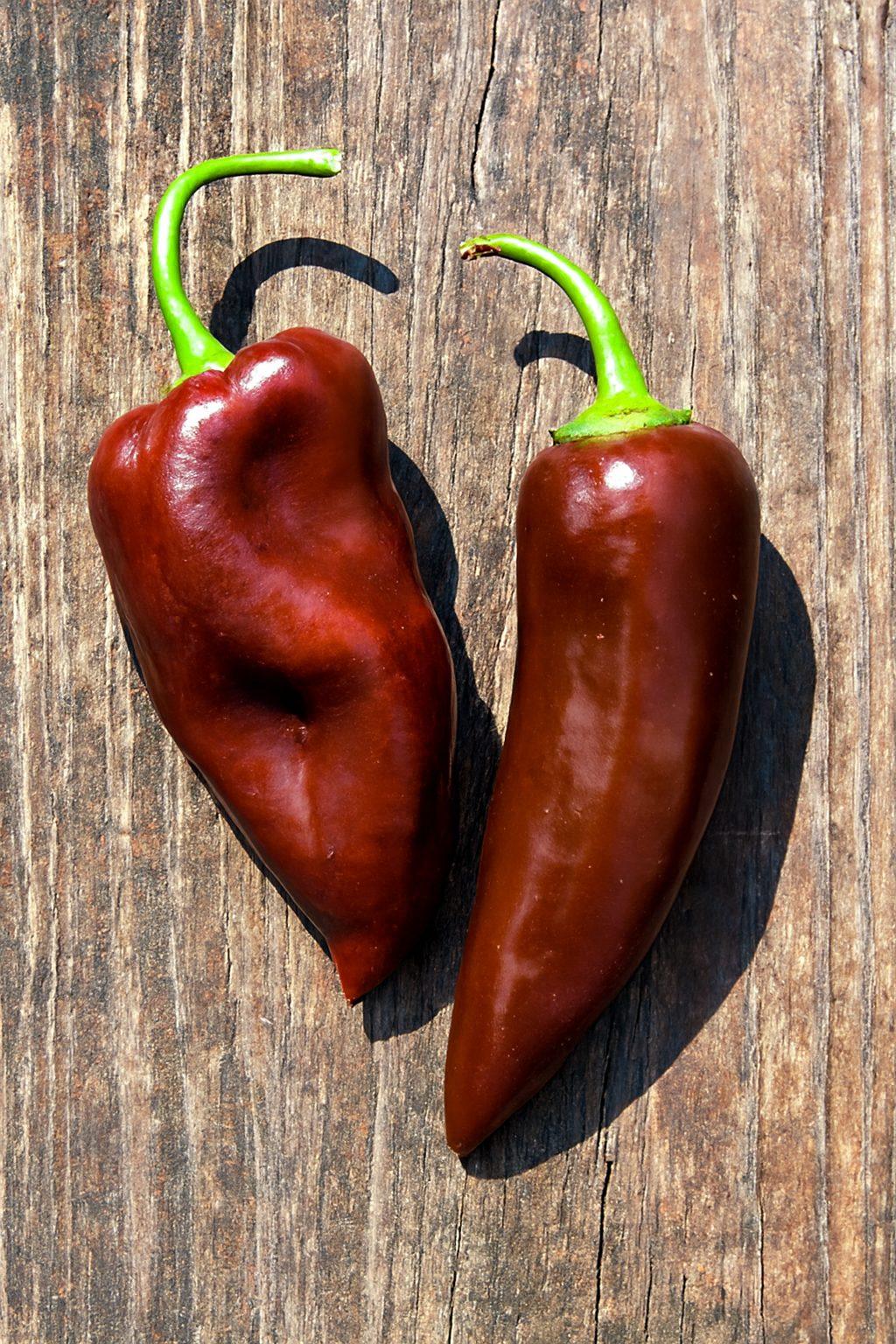
Black Naga is a rare superhot variant of the Naga Morich, a landrace pepper originating from Bangladesh and Northeast India. While the original Naga Morich is known for its bright red pods and blistering heat, Black Naga is a chocolate phenotype that matures to a deep brown, often appearing nearly black under certain lighting conditions. It is genetically related to the Bhut Jolokia (Ghost Pepper) and shares ancestry with other chinense superhots such as Dorset Naga and King Naga.
The cultivar is believed to have emerged through regional selection and natural mutation, possibly stabilized in small grower circles in the UK. It remains unstable, with occasional phenotypic variation including smotth, red or orange pods in rare cases.
Cultural Significance:
Black Naga is prized for its visual intensity, sweet heat, and fermentation potential. It is used in extreme sauces, pickles, and dried powder blends. In Bangladesh, Naga Morich is a staple in curries and chutneys, and the Black Naga variant is gaining traction among artisan growers and collectors for its unique pigmentation and flavor depth.
Lineage / Hybridizer History
Parentage:
• Naga Morich (Bangladesh)
• Chocolate Bhut Jolokia (India) – possible influence in pigmentation and pod structure
Breeders selected for:
• Deep chocolate-brown to black ripening
• Wrinkled, elongated pod shape
• Fruity, smoky flavor with floral undertones
• High capsaicin concentration
• Vigorous growth and high yield
Stabilization Status:
Semi-stable landrace variant. Typically found in F3–F5 generations. Traits may vary across plants, including pod color, shape, and heat intensity.
Heat Profile
Scoville Rating (SHU): 800,000–1,000,000 SHU
Perceived Heat: Extremely hot
Heat Characteristics:
Black Naga delivers a delayed, creeping burn that intensifies over 2–3 minutes. The heat is concentrated in the placenta and inner walls, with a lingering afterburn that can last up to 30 minutes. It is smoother than red Naga Morich but more persistent than standard Bhut Jolokia.
Flavor Profile
Tasting Notes:
Sweet, earthy, and smoky with notes of dried fruit, tamarind, and cocoa. The flavor is more rounded than red Naga types, with a clean finish and subtle bitterness.
Aftertaste / Finish:
Lingering floral heat with a dry, aromatic finish
Ideal Pairings:
• Fermented sauces with tamarind, mango, or plum
• Pickled with garlic, mustard seed, and vinegar
• Infused oils for heat-forward marinades
• Powdered for dry rubs and seasoning blends
• Blended into chutneys and curry bases
Fruit Characteristics
Shape:
Elongated, wrinkled pods with tapered tips; occasionally curved or blistered
Size:
5–7 cm long, 2–3 cm wide
Color Stages:
• Immature: Dark green
• Mid-stage: Olive to chocolate brown
• Ripe: Deep brown to black sheen
• Overripe: May darken to maroon or burgundy
Wall Thickness:
Medium
Texture & Skin:
Wrinkled and glossy with firm flesh. Ideal for drying and fermentation.
Plant Details
Growth Habit:
Upright and bushy
Plant Height & Width:
Height: 90–120 cm
Width: 60–80 cm
Foliage:
Dark green, ovate leaves with moderate canopy density
Flower Color:
White
Days to Maturity:
90–120 days from transplant
Yield:
High — typically 40–80 pods per plant under optimal conditions
Black Naga plants are vigorous and benefit from staking due to heavy fruit load. They thrive in warm climates and are suitable for containers, raised beds, and field rows.
Cultivation Information
Seed Count per Pack: 10 seeds
Germination Time: 10–21 days (Germinating Chilli Seeds)
Optimal Germination Temp: 26–32°C (Essential guide to ideal temperatures and humidity for chilli seed germination)
Light Requirements: Filtered sun
Soil Preferences:
• pH: 6.0–7.0
• Rich, well-draining loam (Easy DIY soil mixes)
• Benefits from compost and potassium-rich feeding
Watering:
Maintain consistent moisture. Avoid waterlogging. Mulch to retain soil moisture and suppress weeds.
Fertilization:
Apply balanced NPK fertilizer every 4–6 weeks. Supplement with calcium and magnesium to prevent blossom end rot.
Pruning:
Remove lower leaves and non-productive branches to improve airflow and light penetration.
Storage Tips:
Store seeds in a cool, dry place. Refrigeration at 4–8°C extends viability. Avoid humidity and direct light.
Notable Compounds
Capsaicinoid Content:
High — primarily capsaicin and dihydrocapsaicin
Volatile Flavor Compounds:
Limonene, methyl anthranilate, and esters contribute to fruity aroma
Pigments:
Chocolate coloration driven by capsanthin, capsorubin, and anthocyanins
Nutritional Value:
Rich in vitamin C, carotenoids, and antioxidants. Contains dietary fiber and trace minerals.
Culinary & Cultural Use
Traditional Uses:
Used in Bangladeshi and Indian cuisine for pickles, spice pastes, and fiery curries. The chocolate variant is newer and primarily used in artisan hot sauces and fermentation.
Raw vs Cooked Flavor:
Raw: Fruity, earthy, and explosively hot
Cooked: Sweet, smoky, and mellowed with depth
Regional Dishes:
• Bangladeshi naga pickle (achar)
• Indian naga chutney with mustard oil
• Caribbean pepper mash and jerk rubs
• Artisan hot sauces with chocolate naga infusion
• Powdered blends for extreme seasoning kits
Storage / Drying / Preserving Tips:
• Can be frozen whole or chopped
• Suitable for drying into flakes or powder
• Excellent for fermentation and mash production
• Preserves well in vinegar or oil infusions


Reviews
There are no reviews yet.