
Description
Product Name: Golden Marconi
Cultivar Name: Golden Marconi
Species: Capsicum annuum
Common Names: Marconi Golden, Golden Italian Fryer, Yellow Marconi
Type: Heirloom
Origin & Lineage
Geographic Origin:
Golden Marconi is a classic Italian heirloom pepper, originally cultivated in the Lombardy region of northern Italy. The cultivar was developed through open-pollinated selection from traditional sweet frying peppers, refined for its elongated shape, golden-yellow color, and mild, fruity flavor. It is part of the broader Marconi family of peppers, which includes red, purple, and brown variants, all named in honor of Guglielmo Marconi, the Italian inventor and Nobel laureate.
The Marconi lineage is rooted in centuries of Mediterranean agriculture, where sweet peppers were bred for culinary versatility and high yields. Golden Marconi was selected for its late-season maturity, resistance to water stress, and suitability for frying, roasting, and fresh consumption. It gained international recognition in the early 2000s, including All-America Selections honors, and is now cultivated in Europe, North America, South Africa, and Australia.
Cultural Significance:
Golden Marconi peppers are emblematic of Italian culinary tradition. Their elongated, tapered pods and golden hue evoke rustic harvests and regional dishes such as peperonata, grilled contorni, and antipasto platters. In South African and Mediterranean gardens, they are favored for their ornamental appeal, consistent yields, and adaptability to warm climates.
This cultivar is celebrated for its balance of sweetness, texture, and visual impact. It is commonly grown by chefs, market gardeners, and heirloom collectors seeking a pepper that performs well in both field and container settings. Its name and form carry historical resonance, linking modern growers to a legacy of innovation and flavor.
Lineage / Hybridizer History
Parentage:
Derived from traditional Italian sweet pepper landraces, stabilized through open pollination
Breeders selected for:
• Elongated, tapered pod shape
• Golden-yellow coloration at full maturity
• Thick, crisp walls suitable for frying and stuffing
• Mild, sweet flavor with low bitterness
• Late-season productivity and disease resilience
Stabilization Status:
Fully stable heirloom cultivar. Widely available through European and North American seed houses. Open-pollinated and true to type across generations.
Heat Profile
Scoville Rating (SHU): 0 to 100 SHU
Perceived Heat: None
Heat Characteristics:
Golden Marconi is a sweet pepper with no detectable capsaicin. It is suitable for all ages and culinary applications where heat is not desired. Its flavor remains consistent across growing conditions, with no tendency toward bitterness or pungency.
Flavor Profile
Tasting Notes:
Rich, fruity sweetness with subtle notes of apple and melon. The thick flesh delivers a satisfying crunch when raw and caramelizes beautifully when roasted or grilled.
Aftertaste / Finish:
Clean and mild with a slightly nutty finish. No residual bitterness.
Ideal Pairings:
• Roasted with olive oil and sea salt
• Stuffed with rice, cheese, or ground meat
• Sliced into fresh salads and wraps
• Pickled with garlic and herbs
• Grilled as a side dish or sandwich topping
• Blended into sauces and soups for natural sweetness
Fruit Characteristics
Shape:
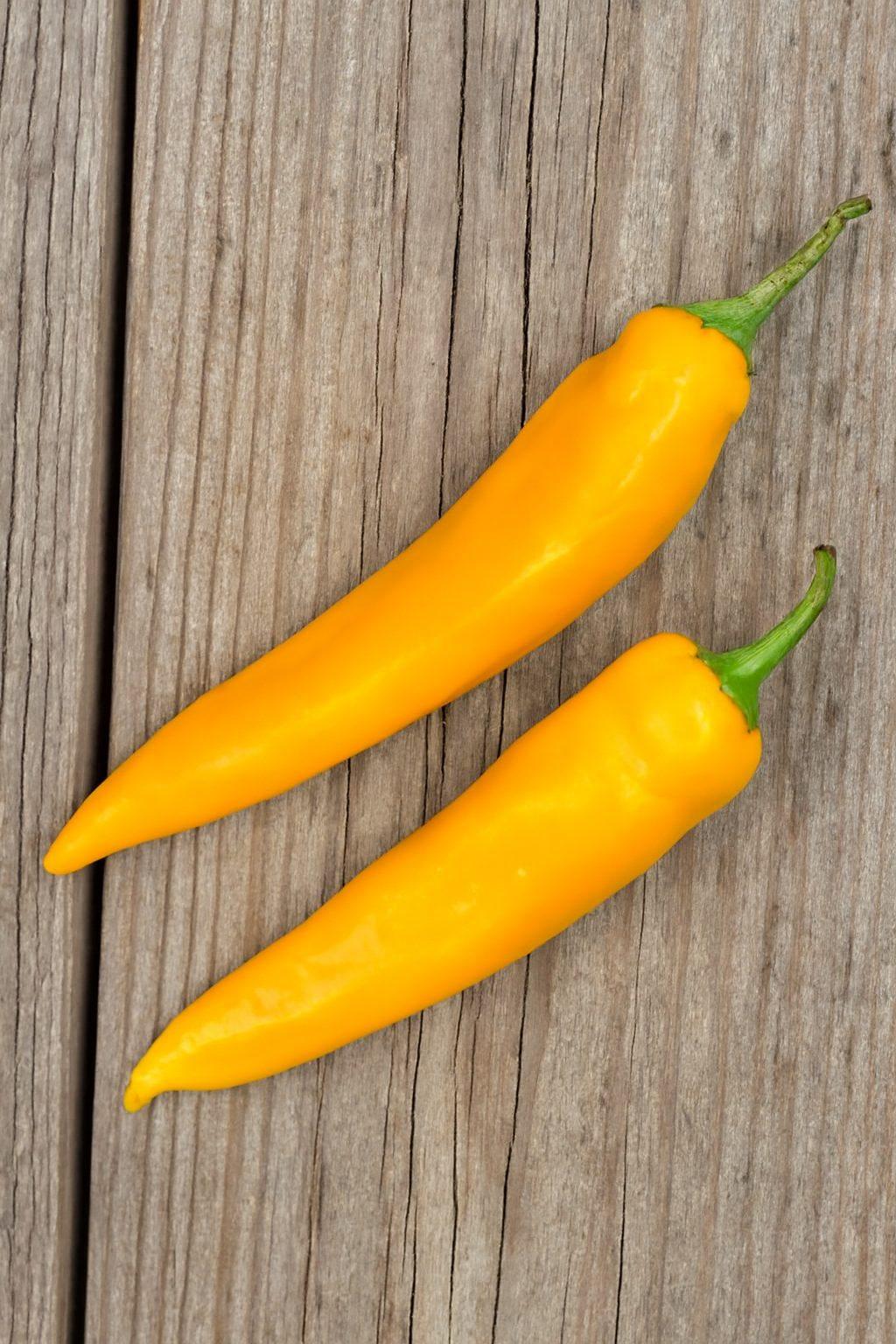
Long, tapered pods with slight lobing and smooth shoulders
Size:
15–20 cm long, 5–7 cm wide
Color Stages:
• Immature: Pale green
• Ripe: Bright golden-yellow
• Overripe: May deepen to amber or orange-gold
Wall Thickness:
Medium to thick
Texture & Skin:
Smooth, glossy, and firm. Flesh is crisp and juicy.
Plant Details
Growth Habit:
Bushy and upright
Plant Height & Width:
Height: 75–90 cm
Width: 45–60 cm
Foliage:
Bright green, ovate leaves with moderate canopy density
Flower Color:
White
Days to Maturity:
80–90 days from transplant
Yield:
High — typically 10–15 pods per plant under optimal conditions
Golden Marconi plants are vigorous and productive, often requiring staking due to the weight of mature fruit. They perform well in raised beds, containers, and field rows, and are tolerant of warm climates and moderate humidity.
Cultivation Information
Seed Count per Pack: 10 seeds
Germination Time: 7–14 days (Germinating Chilli Seeds)
Optimal Germination Temp: 26–32°C (Essential guide to ideal temperatures and humidity for chilli seed germination)
Light Requirements: Filtered sun
Soil Preferences:
• pH: 6.2–7.0
• Rich, well-draining loam (Easy DIY soil mixes)
• Benefits from compost and potassium-rich feeding
Watering:
Maintain consistent moisture without waterlogging. Mulch to retain soil moisture and suppress weeds.
Fertilization:
Apply balanced NPK fertilizer every 4–6 weeks. Avoid excess nitrogen to prevent leafy growth at the expense of fruiting.
Pruning:
Remove lower leaves and non-productive branches to improve airflow and light penetration.
Storage Tips:
Store seeds in a cool, dry place. Refrigeration at 4–8°C extends viability. Avoid humidity and direct light.
Notable Compounds
Capsaicinoid Content:
None — this cultivar is non-pungent
Volatile Flavor Compounds:
Linalool, methyl anthranilate, and esters contribute to fruity aroma
Pigments:
Golden coloration driven by carotenoids including beta-carotene and capsanthin
Nutritional Value:
High in vitamin C, beta-carotene, and antioxidants. Contains dietary fiber and trace minerals.
Culinary & Cultural Use
Traditional Uses:
Golden Marconi is used in Italian and Mediterranean cuisine for frying, stuffing, and roasting. It is a staple in regional dishes such as peperonata, grilled vegetable platters, and sweet pepper sauces.
Raw vs Cooked Flavor:
Raw: Crisp, sweet, and refreshing
Cooked: Intensified sweetness with caramelized depth
Regional Dishes:
• Italian-style stuffed peppers with rice and herbs
• Mediterranean grilled vegetables with balsamic glaze
• South African braai platters with roasted Marconi slices
• Spanish tapas with marinated golden pepper strips
• American-style stir-fries and omelets
Storage / Drying / Preserving Tips:
• Best enjoyed fresh, roasted, or pickled
• Can be frozen whole or sliced for later use
• Not ideal for drying due to high moisture content



Reviews
There are no reviews yet.