
Description
Product Name: Swiss Chocolate Habanero
Cultivar Name: Swiss Chocolate Habanero
Species: Capsicum chinense
Common Names: Swiss Chocolate, Swiss Chocolate Habanero, Habanero Negro, Congo Black
Type: Heirloom
Origin & Lineage
Geographic Origin: Switzerland
The Swiss Chocolate Habanero was developed by Raphael Alber, a Swiss grower known for refining rare Capsicum chinense varieties with exceptional flavor and ornamental appeal. While its genetic roots trace back to Caribbean landraces—particularly the Chocolate Habanero (Habanero Negro)—this cultivar was stabilized in Switzerland for its unique pod shape, deep chocolate coloration, and complex flavor.
Chocolate habaneros themselves descend from ancient Capsicum chinense lines cultivated in the Caribbean and Central America. The “chocolate” designation refers to the rich brown pigmentation, not the flavor, though this variety does carry subtle notes of dried fruit and smoke.
Cultural Significance:
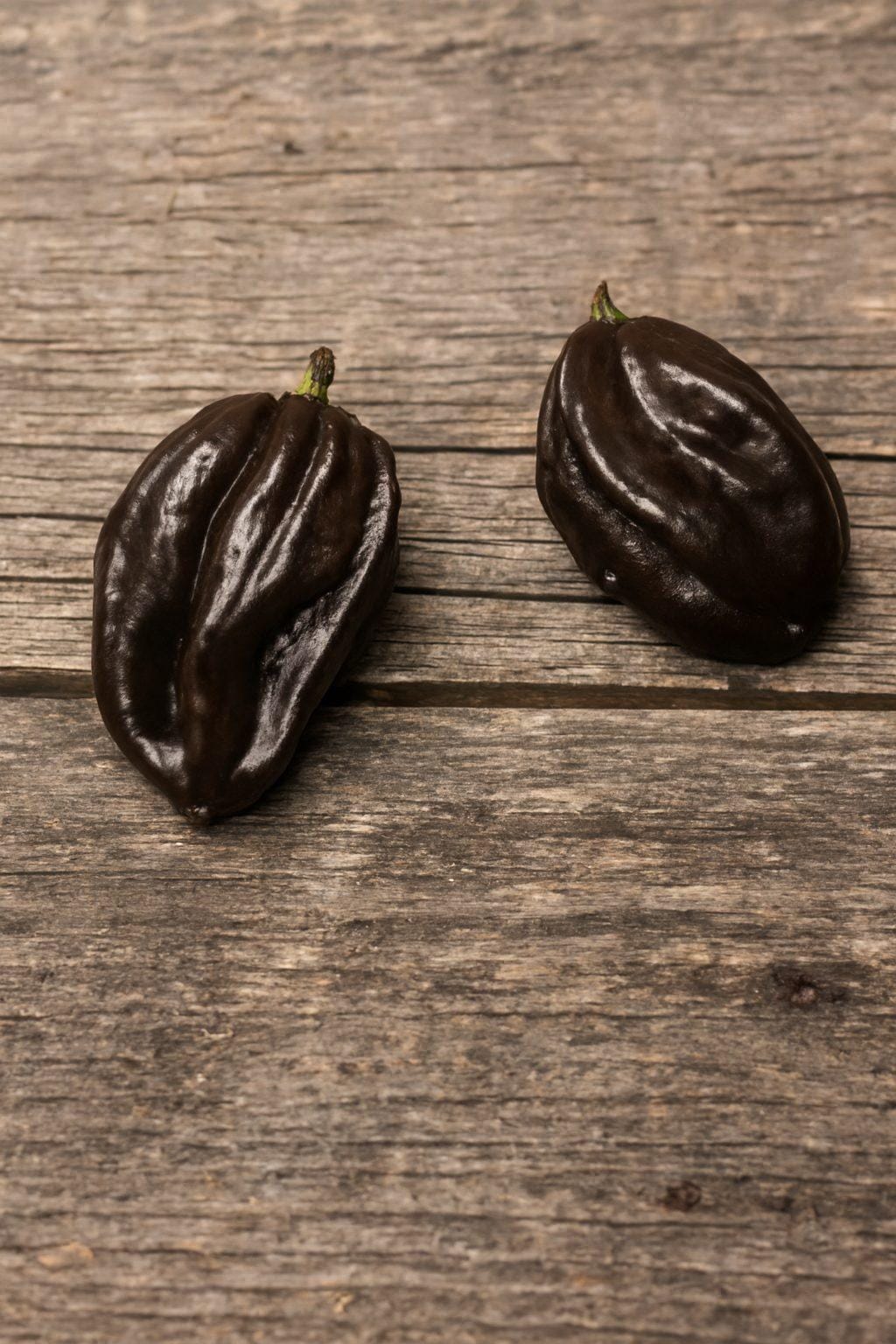
Swiss Chocolate Habanero is prized for its aesthetic elegance and culinary versatility. Its pods resemble miniature pumpkins, transitioning from olive green to matte chocolate brown. The flavor is layered—earthy, fruity, and smoky—making it ideal for dark sauces, mole blends, and fermented preparations.
Its ornamental value and flavor complexity have made it a favorite among European growers, artisan sauce makers, and collectors seeking a balance of heat and depth.
Lineage / Hybridizer History
Parentage:
Derived from Caribbean Chocolate Habanero lines, selectively bred in Switzerland for pod symmetry, flavor, and pigmentation.
Breeder:
Raphael Alber (Switzerland)
Breeders selected for:
- Matte chocolate coloration
- Pumpkin-shaped pods with thick walls
- Fruity, raisin-like sweetness with smoky undertones
- Moderate-to-high heat with clean finish
Stabilized Traits:
Stable heirloom cultivar. Widely distributed through European seed houses and specialty vendors.
Heat Profile
Scoville Rating (SHU):
300,000–450,000 SHU
Perceived Heat: Very Hot
Heat Characteristics:
Immediate sting followed by a slow-building warmth. The burn is intense but clean, with less bitterness than typical orange habaneros. Suitable for experienced users and culinary professionals.
Flavor Profile
Tasting Notes:
Apple, berries, raisins, and subtle chinense musk. Smoky and earthy undertones emerge when roasted or fermented.
Aftertaste / Finish:
Lingering fruit sweetness with a dry, smoky finish
Ideal Pairings:
- Mole sauces and dark chili blends
- Fermented hot sauces with tamarind or cocoa
- Roasted salsas with stone fruit or tomato
- Pickled with garlic and bay leaf
- Powdered for rubs and spice blends
Fruit Characteristics
Shape:
Pumpkin-shaped, slightly lobed with a rounded base
Size:
5 cm long, 4 cm wide
Color Stages:
- Immature: Olive green
- Ripe: Matte chocolate brown
Wall Thickness:
Thick
Texture & Skin:
Smooth, firm, and slightly glossy when ripe
Plant Details
Growth Habit:
Compact and upright
Plant Height & Width:
Height: 90–100 cm
Width: 50–70 cm
Foliage:
Dark green, broad leaves
Flower Color:
White
Days to Maturity:
120–150 days from transplant
Yield:
Moderate to high—typically 40–60 pods per plant under optimal conditions
Cultivation Information
Seed Count per Pack: 10 seeds
Germination Time: 7–14 days (Germinating Chilli Seeds)
Optimal Germination Temp: 26–32°C (Essential guide to ideal temperatures and humidity for chilli seed germination)
Light Requirements: Filtered sun
Soil Preferences:
- pH: 6.2–7.0
- Rich, well-draining loam (Easy DIY soil mixes)
- Benefits from compost and potassium-rich feeding
Storage Tips:
Store seeds in a cool, dry place. Refrigeration at 4–8°C extends viability. Avoid humidity and direct light.
Notable Compounds
Capsaicinoid Content:
High levels of capsaicin and dihydrocapsaicin; concentrated in placenta and inner walls
Volatile Flavor Compounds:
Linalool, vanillin, and pyrazines contribute to fruity and smoky aroma
Pigments:
Capsanthin and capsorubin drive the chocolate coloration
Culinary & Cultural Use
Traditional Uses:
Not traditionally used due to its modern origin. Popular in European and Caribbean-style sauces, powders, and pickles.
Raw vs Cooked Flavor:
Raw: Fruity and pungent with sharp heat
Cooked: Smoky, sweet, and complex
Regional Dishes:
- Caribbean jerk marinades
- Mexican mole negro
- European-style fermented sauces
- Artisan hot sauces with cocoa, tamarind, or dried fruit
Storage / Drying / Preserving Tips:
- Ideal for drying and powdering
- Can be fermented or pickled
- Freezes well for long-term use


Reviews
There are no reviews yet.