
Description
Product Name: Primotalii Red Chilli Seeds
Cultivar Name: Primotalii Red
Species: Capsicum chinense
Common Names: Red Primotalii, Primotalii, Primotalii Pepper
Type: Hybrid / Superhot / Semi-Stable
Origin & Lineage
Geographic Origin: Contrary to popular belief, the Primotalii Red was originally discovered in the United Kingdom, not the United States. The cross was made in 2012 by Chris Saunders, a UK-based grower known for experimental superhot hybrids. He combined:
- 7 Pot Primo – a blistering Trinidadian-derived superhot created by Troy Primeaux in Louisiana
- Fatalii – a citrusy, high-heat cultivar from Central Africa
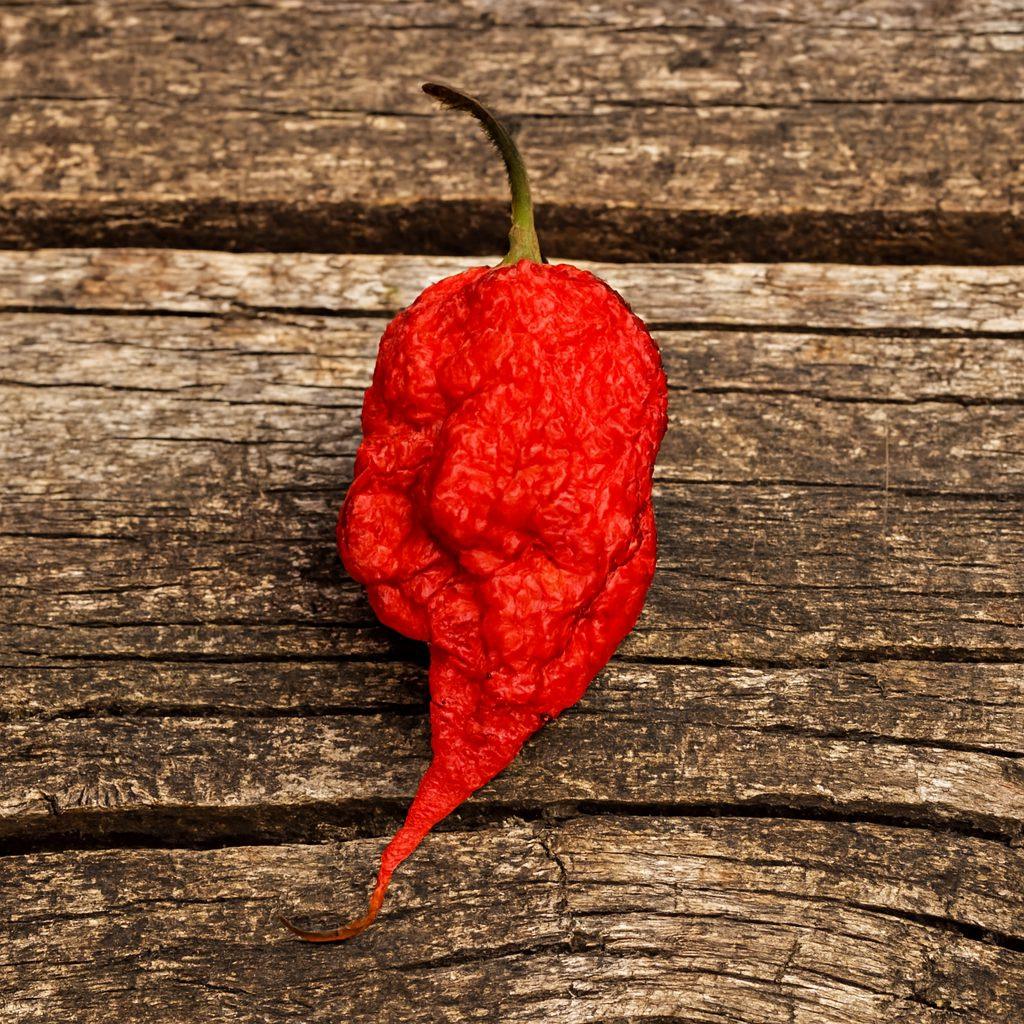
The goal was to merge extreme heat with floral and citrus complexity, while introducing ornamental traits like the elongated “stinger” tail. The iconic tail emerged in the F2 generation, and was stabilized through selective breeding.
Though bred in the UK, the Primotalii Red gained traction in the United States, where local growers helped isolate and distribute the red phenotype. It’s now widely cultivated across North America, especially by boutique seed vendors and fermentation artisans.
Cultural Significance: The Primotalii Red is revered as one of the hottest peppers ever consumed, with anecdotal Scoville ratings exceeding 2,200,000 SHU. It’s a cult favorite among:
- Extreme sauce makers, who use it to push the boundaries of heat
- Fermentation enthusiasts, drawn to its thin walls and floral complexity
- Seed collectors, who prize its exaggerated tail and unstable phenotypes
- YouTube heat chasers, including Johnny Scoville, who called it the hottest pepper he’s ever eaten
Its signature traits include:
- Long, curling stinger tail, often exceeding 1 inch
- Thin-walled pods, ideal for drying and fermentation
- Floral, perfumey flavor, with citrus and earthy undertones
- Compact plant size, reaching ~3 feet tall with moderate yield
Despite its heat, the Primotalii Red is semi-stable, with ongoing variation in pod shape and tail length. This unpredictability adds to its mystique and collector appeal.
Lineage / Hybridizer History:
- Chris Saunders initiated the cross in 2012, blending 7 Pot Primo and Fatalii to create a new superhot with ornamental flair
- The stinger tail emerged in early generations and was stabilized through rigorous selection
- Jim Morrow, a U.S. grower and seed vendor, played a key role in:
- Isolating the red phenotype
- Distributing seeds to collectors and sauce makers
- Developing chocolate and golden variants through further breeding
Other contributors include Tom Motta of Allegheny City Farms, who was among the first to incorporate Primotalii into commercial hot sauce formulations.
Today, the Primotalii lineage includes:
| Variant | Traits |
| Red Primotalii | Classic stinger tail, floral heat, red pods |
| Chocolate | Earthier flavor, deeper burn, brown pods |
| Golden | Citrus-forward, bright yellow pods |
The cultivar remains unofficial, with no formal registration, but its impact on the superhot scene is undeniable.
Heat Profile
Scoville Rating (SHU): Estimated 2,200,000+ SHU
Perceived Heat: Superhot
Heat Characteristics: Immediate and aggressive. The burn starts sharp and spreads rapidly, triggering hiccups, sweating, and full-body heat. Handle with gloves and caution.
Flavor Profile
Tasting Notes: Floral, slightly fruity, and perfumed. The flavor is intense and aromatic, with a hint of citrus beneath the fire.
Aftertaste / Finish: Lingering bitterness with a smoky, floral echo
Ideal Pairings:
- Fermented sauces with tropical fruit
- Artisan hot sauces for collectors
- Infused oils and vinegars
- Powdered for extreme spice blends
- Microdosed in chutneys and relishes
Fruit Characteristics
Shape: Small, elongated pods with exaggerated stinger tails
Size: 5–7 cm long, 1.5–2 cm wide
Color Stages:
- Immature: Green
- Ripe: Vibrant red
- Overripe: Deep crimson
Wall Thickness: Thin
Texture & Skin: Deeply wrinkled and blistered; lightweight and firm
Plant Details
Growth Habit: Bushy and upright
Plant Height & Width:
Height: 80–100 cm
Width: 60–80 cm
Foliage: Dark green, slightly crinkled leaves
Flower Color: White
Days to Maturity: 120–150 days from transplant
Yield: Moderate – typically 30–50 pods per plant under optimal conditions
Cultivation Information
Seed Count per Pack: 5 or 10 seeds
Germination Time: 7–14 days (Germinating Chilli Seeds)
Optimal Germination Temp: 26–32°C (Essential guide to ideal temperatures and humidity for chilli seed germination)
Light Requirements: Filtered sun
Soil Preferences:
- pH: 6.2–6.8
- Rich, well-draining loam (Easy DIY soil mixes)
- Benefits from compost and potassium-rich feeding
Storage Tips: Store seeds in a cool, dry place. Refrigeration at 4–8°C extends viability. Avoid humidity and direct light.
Notable Compounds
Capsaicinoid Content: Extremely high capsaicin and dihydrocapsaicin; heat concentrated in placenta and seeds
Volatile Flavor Compounds: Limonene, citral, and esters contribute to floral aroma
Pigments: Red coloration driven by capsanthin and capsorubin
Culinary & Cultural Use
Traditional Uses: Not used traditionally due to extreme heat. Primarily grown for artisan sauces, fermentation, and heat-forward culinary experimentation
Raw vs Cooked Flavor: Raw pods are floral and pungent with overwhelming heat. Cooking softens bitterness and enhances sweetness. Fermentation adds depth and complexity.
Regional Dishes:
- Caribbean-style pepper mashes
- Southeast Asian sambals with tropical fruit
- Mexican-style mole-inspired blends
- Artisan hot sauces with layered burn
Storage / Drying / Preserving Tips:
- Ideal for fermentation and sauce-making
- Can be dried whole or sliced
- Powdered form retains heat and flavor for seasoning blends


Reviews
There are no reviews yet.