
Description
Product Name: Poblano Pepper Seeds
Cultivar Name: Poblano Pepper
Species: Capsicum annuum
Common Names: Poblano, Chile Poblano, Ancho (when dried)
Type: Heirloom
Origin & Lineage
Geographic Origin: The Poblano pepper (Capsicum annuum) originates from the state of Puebla, located in central Mexico. The name “Poblano” is a direct reference to both the pepper itself and the people of Puebla, known as Poblanos. This dual meaning reflects the pepper’s deep cultural and geographic ties to the region.
Archaeological evidence places the domestication of Capsicum annuum in Mesoamerica as early as 7000 BCE, with the Tehuacán Valley—which spans parts of Puebla—recognized as one of the earliest centers of chili cultivation. The Poblano pepper likely evolved as a naturally selected landrace, shaped by centuries of indigenous farming and culinary use.
Puebla’s volcanic soil, temperate climate, and elevated terrain (averaging 2,100 meters above sea level) provide ideal conditions for growing this cultivar. Its adaptability and productivity have made it a staple not only in Puebla but across Mexico, and it is now cultivated globally—from California to South Korea—for both fresh and dried applications.
Cultural Significance: The Poblano pepper is a cornerstone of Mexican cuisine, revered for its mild heat, earthy-sweet flavor, and culinary versatility. It plays a starring role in some of Mexico’s most iconic dishes:
- Chiles en Nogada: A patriotic dish served during Independence Day celebrations, featuring roasted poblanos stuffed with a sweet-savory picadillo, topped with walnut sauce and pomegranate seeds—symbolizing the Mexican flag.
- Mole Poblano: A rich, complex sauce made with dried poblano derivatives (anchos and mulatos), chocolate, nuts, and spices. It’s considered one of Mexico’s national culinary treasures.
- Rajas con Crema: Roasted poblano strips simmered in cream and onions, often served as a taco filling or side dish.
- Chile Relleno: Roasted poblanos stuffed with cheese or meat, battered and fried—a beloved comfort food across Mexico.
When dried, poblanos become ancho chiles, one of the “holy trinity” of mole ingredients alongside pasilla and mulato. Anchos contribute sweet, smoky depth and mild heat, making them essential in sauces, stews, and spice blends.
Beyond the kitchen, the poblano pepper symbolizes Mexican heritage, agricultural resilience, and culinary artistry. Its presence in festivals, family recipes, and national dishes underscores its enduring cultural importance.
Lineage / Hybridizer History: The Poblano is a naturally selected heirloom, not a commercial hybrid. It belongs to the species Capsicum annuum, which includes both sweet and hot peppers. Over centuries, farmers in Puebla selected for:
- Thick, meaty walls
- Heart-shaped pods
- Mild heat (1,000–2,000 SHU)
- Flavor complexity that intensifies when roasted or dried
Unlike hybrid cultivars bred for uniformity or disease resistance, the Poblano retains genetic diversity, which can result in variation in heat and flavor even among pods from the same plant. This variability is part of its charm and reflects its landrace status.
Modern breeding programs have introduced commercial poblano hybrids, such as Line 347, developed for improved yield and disease resistance. However, traditional Poblano peppers remain widely grown in Mexico, especially in Zacatecas, Guanajuato, and Sinaloa, where over 400,000 tons are produced annually.
Globally, the Poblano has become a favorite among home gardeners, chefs, and seed collectors, valued for its culinary flexibility, garden performance, and cultural legacy.
Heat Profile
Scoville Rating (SHU): 1,000–2,500 SHU
Perceived Heat: Mild
Heat Characteristics: Gentle warmth with occasional spikes. Some pods may be hotter than others, but overall it’s family-friendly and ideal for layering flavor.
Flavor Profile
Tasting Notes: Earthy, slightly smoky, and vegetal with subtle sweetness. Roasting enhances depth and adds a charred complexity.
Aftertaste / Finish: Clean and mellow with a faint tang
Ideal Pairings:
- Stuffed with cheese, rice, or meats
- Roasted into enchilada sauces
- Sliced into soups and stews
- Dried and ground into ancho powder
- Blended into mole or chili pastes
Fruit Characteristics
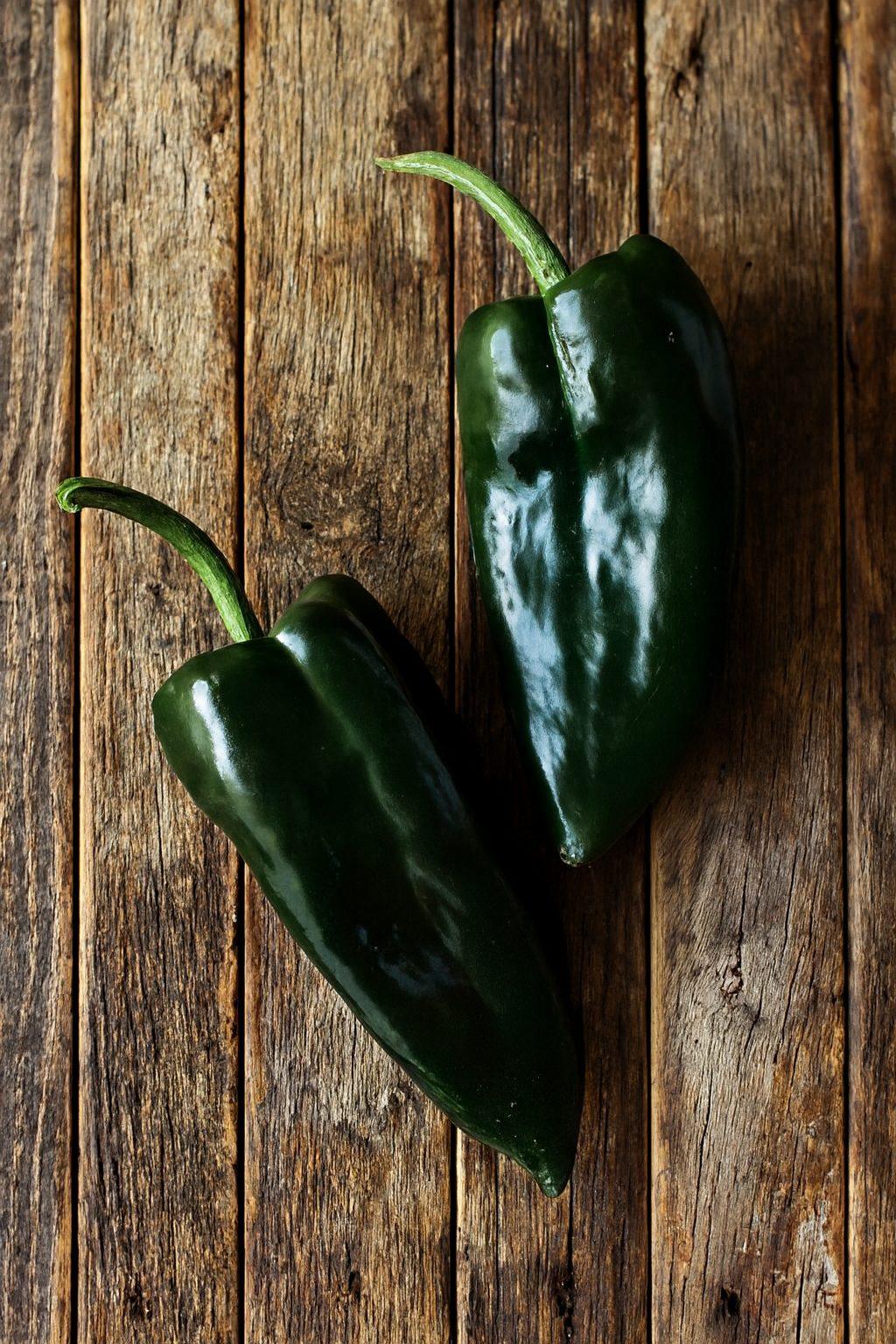
Shape: Broad, tapered pods with a pointed tip
Size: 10–15 cm long, 5–7 cm wide
Color Stages:
- Immature: Dark green
- Ripe: Deep red to reddish-brown
- Dried: Wrinkled, blackish ancho form
Wall Thickness: Thick
Texture & Skin: Glossy and firm; blistered when roasted
Plant Details
Growth Habit: Bushy and upright
Plant Height & Width:
Height: 60–90 cm
Width: 50–70 cm
Foliage: Broad, deep green leaves
Flower Color: White
Days to Maturity: 80–100 days from transplant
Yield: High – typically 20 large pods per plant under optimal conditions
Cultivation Information
Seed Count per Pack: 5 or 10 seeds
Germination Time: 7–14 days (Germinating Chilli Seeds)
Optimal Germination Temp: 24–30°C (Essential guide to ideal temperatures and humidity for chilli seed germination)
Light Requirements: Filtered sun
Soil Preferences:
- pH: 6.0–7.0
- Fertile, well-draining soil (Easy DIY soil mixes)
- Benefits from compost and calcium-rich feeding
Storage Tips: Store Poblano Pepper seeds in a cool, dry place. Refrigeration at 4–8°C extends viability. Avoid moisture and direct light.
Notable Compounds
Capsaicinoid Content: Low – primarily trace capsaicin and nordihydrocapsaicin
Volatile Flavor Compounds: Pyrazines and aldehydes contribute to earthy aroma
Pigments: Chlorophyll dominates green stage; capsanthin and capsorubin emerge in ripening
Culinary & Cultural Use
Traditional Uses:
- Chiles rellenos (stuffed poblanos)
- Mole poblano
- Chiles en nogada
- Roasted and peeled for sauces
Raw vs Cooked Flavor: Raw Poblano Pepper pods are crisp and grassy. Roasting adds smokiness and softens texture. Drying intensifies sweetness and transforms flavor.
Regional Dishes:
- Mexican mole sauces
- Enchiladas with roasted poblano cream
- Poblano corn chowder
- Stuffed peppers with cheese and beans
Storage / Drying / Preserving Tips:
- Roast and freeze for long-term use
- Dry into ancho form for powders and pastes
- Pickled slices retain mild heat and flavor


Reviews
There are no reviews yet.